


Key Takeaways
- Distinct Characteristics: Crows are recognized by their robust size (16 to 21 inches), iridescent black plumage, and strong, slightly curved beaks, which signal their feeding habits and health to other birds.
- Enhanced Vision: Birds perceive colors differently due to their advanced visual systems, allowing them to see ultraviolet light. This enhances their understanding of a crow’s health and potential threat.
- Social Dynamics: Crows are highly social and often found in groups, which can influence the behaviors and responses of other bird species, either as a sign of competition or collaboration.
- Behavioral Interactions: Smaller birds typically exhibit flight responses when crows are nearby, recognizing them as potential predators. In contrast, larger birds may challenge crows, demonstrating varying instincts based on size.
- Adaptability: Crows thrive in diverse environments, showcasing their flexibility in feeding and nesting habits, making them formidable competitors that other birds recognize and react to accordingly.
- Communication Signals: Crows use a range of vocalizations that can serve as warnings or social signals, affecting how other birds interact with them and perceive their presence in shared habitats.
Have you ever wondered how other birds see crows? While you might see a sleek black bird with a sharp beak, the perspective from the sky is a whole different story. Birds have unique ways of interpreting colors and shapes, and crows might not look quite the same to them.
Recommended Products

Sturdy & Durable Metal Construction: The lid and tray are metal with anti-rust coating, thickened PC tube. Holds up to 2 Lb of seeds. Slider-lock cap system design can effectively deter squirrels from opening

【Six Feeding Ports】In different weather and lack of food supplies, birds need more energy and food to survive. Six feeding ports with perches allows for multiple birds to feed simultaneously,bring enough food for the birds and attract more birds to your garden.

FUN-TO-INSTALL: This bird feeder features a traditional oriental architectural style with a retro pagoda design. It offers a feeding spot for sparrows and provides you and your family with a delightful 1-minute assembly experience. Get ready to enjoy a fun and simple installation process
Overview of Crow Characteristics
Crows possess distinctive features that other birds observe closely.
Recommended Products
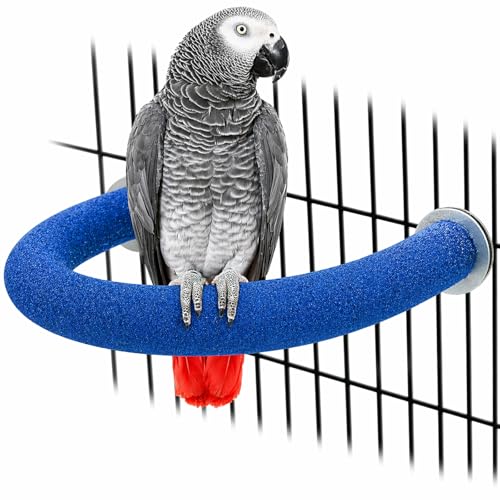
Size: 17cm x 20cm/6.7" x 7.9". Suitable for macaws,conures, african greys cockatoo and a variety of amazon parrots

VERSATILE PARING KNIFE - The 2.75-inch pairing knife is more compact and lighter, suitable for peeling and trimming any curved surface of fruits or vegetables. The small curved peeling knife is flexible and easy to grasp and will become the companion of all home cooks.

Safety Material & Construction: Crafted from premium resin and iron, these bird nail trimming stones are safe, sturdy, durable, not easy to break and without odour. The water-resistant surface ensures you can freely wash them for maintenance, It can not be faded in water. You can feel confident to use them
Size and Shape
Crows typically measure 16 to 21 inches in length. Their bodies exhibit a stout, robust shape, making them appear larger and more formidable than many smaller bird species. Their wingspan, reaching up to 39 inches, allows for strong and agile flight.
Coloration
Crows are primarily black, but their plumage often reveals iridescent hues. The shiny feathers may showcase blues, purples, and even greens in bright sunlight. Other birds notice these subtle colors, which can signal different meanings.
Beak Structure
Crows have strong, straight beaks that are slightly curved at the tip. This beak allows crows to forage effectively, prying open nuts or tearing through tough materials. Other birds recognize the beak’s shape and size as an indicator of the crow’s feeding habits.
Eyesight and Vision
Crows possess excellent vision, which is critical for spotting food and avoiding predators. Their eyes are dark and located high on their heads, allowing for a wide field of view. Birds often consider this ability when interacting with or observing crows.
Social Behavior
Crows are highly social creatures, often found in groups. This social structure enables them to communicate effectively and share information about food sources. Other birds may regard this behavior as a sign of intelligence and cooperation.
Vocalizations
Crows produce a range of sounds, from harsh cawing to softer coos. These vocalizations serve various purposes, including alarm calls and social interactions. Other birds interpret these sounds as warnings or signals, shaping their responses to the presence of crows.
Adaptability
Crows thrive in diverse environments, from urban areas to rural landscapes. Their adaptability allows them to modify their feeding and nesting habits based on available resources. Other birds may recognize this flexibility as an advantage, making crows formidable competitors in many habitats.
Bird Perception and Visual Systems
Birds perceive their environment differently than humans do. Their visual systems allow them to see colors and patterns that you may overlook. Understanding how other birds see crows sheds light on their behaviors and interactions.
How Birds See Colors
Birds possess a unique visual system that includes four types of color receptors, compared to the three types humans have. This adaptation enables birds to see ultraviolet light, making their color perception exceptionally vivid. For crows, their ebony feathers reflect iridescent colors that other birds interpret as social signals. The brightness and hue of a crow’s plumage can indicate its health and prowess. For example, other birds may view a healthy crow as a potential threat or competitor, leading to quick decisions regarding interaction or avoidance.
The Role of Shape and Size in Identification
Size and shape play crucial roles in how birds identify crows. Crows measure 16 to 21 inches in length, making them appear robust and imposing compared to smaller bird species. Their distinctive silhouette, characterized by a stout body and slightly curved wings, stands out in the sky. Other birds might see crows as predators or competitors, triggering instinctual responses. For example, smaller sparrows may flee upon noticing a crow’s larger form overhead, indicating their learned behavior of caution. Such visual cues help maintain the social dynamics within avian communities, ensuring birds recognize crows and adjust their behavior accordingly.
The Unique Appearance of Crows
Crows possess characteristics that make their appearance striking and easily recognizable to other birds.
Recommended Products

Through Calm and Clarity - Mornings take on a different kind of calm when you lift the Hontry binoculars and bring the world closer. With 8x magnification, the view feels steady and real—colors stay gentle, shapes stay true, and even distant wings or quiet movement in the grass seem closer to you, like the day is quietly unfolding at its own pace.

Product Type: Premium Item
Feather Color and Patterns
Crows display predominantly black plumage, often revealing vibrant iridescent hues in sunlight. Other birds interpret these colors as indicators of health and strength. For instance, the sheen of a crow’s feathers can signal physical fitness, influencing social interactions. Various bird species notice these patterns, associating them with potential threats or competition for resources.
Size and Shape Comparison with Other Birds
Crows range from 16 to 21 inches in length, making them significantly larger than many smaller birds, such as sparrows or finches. This robust size and distinctive silhouette evoke instinctual reactions in smaller birds. When a crow appears overhead, flocks may scatter quickly in response. The strong, slightly curved beak of a crow also distinguishes it from many smaller species, as other birds perceive its size as a potential threat or indication of dominance in their environment.
Interactions Between Crows and Other Bird Species
Crows interact with various bird species in ways that affect social dynamics and behavior. Understanding these interactions offers insight into how other birds perceive crows.
Social Dynamics and Recognition
Crows are highly social birds, often seen in groups. Their presence can influence the behaviors of other bird species. Smaller birds like sparrows recognize crows through their size, shape, and distinctive silhouette. These characteristics signal potential threats or competition for resources.
Social recognition often means that specific calls and vocalizations attract attention from other birds. The cawing of crows can act as a warning or an alert about predators, prompting smaller birds to react defensively. Birds may also observe the interaction among crows to gauge danger or potential opportunities for food.
Behavioral Responses to Crows
Behavioral responses to crows vary significantly among bird species. Some species, such as smaller songbirds, may exhibit flight responses. For instance, when a crow appears overhead, sparrows often scatter. This instinctual reaction stems from the understanding that crows pose a predatory threat.
Conversely, larger birds, like ravens or hawks, may exhibit curiosity or challenge crows. These species sometimes engage in aerial displays, showcasing their strength and asserting dominance. Behavioral adaptations among different species reflect an awareness of crows’ capabilities and social structures, shaping overall community dynamics.
By recognizing these interactions, you understand how crows influence the avian landscape and shape the responses of other birds.
Conclusion
Crows are fascinating creatures that evoke a range of reactions from other birds. Their unique appearance and social behavior play a significant role in how they’re perceived in the avian world.
You might find it interesting that smaller birds often respond instinctively to the sight of a crow, recognizing its size and shape as potential threats. Meanwhile, larger birds may choose to engage, showcasing their own strength and adaptability.
Understanding these dynamics not only deepens your appreciation for crows but also highlights the intricate relationships within the bird community. Next time you see a crow, consider how it might be viewed through the eyes of its feathered friends.
Frequently Asked Questions
How do crows differ in appearance from other birds?
Crows typically measure 16 to 21 inches long with a stout, robust shape, making them appear larger than many smaller birds. Their predominantly black plumage often has iridescent hues that signal health and social status to other birds.
What unique visual abilities do birds have?
Birds possess four types of color receptors, enabling them to see ultraviolet light and perceive colors more vividly than humans. This allows them to notice patterns and signals that humans might overlook.
Why do smaller birds react differently to crows?
Smaller birds like sparrows instinctively recognize crows’ robust size and distinctive shape, which can trigger defensive reactions. Upon noticing a crow, they may flee to avoid potential threats.
How do crows communicate with other birds?
Crows use vocalizations ranging from harsh caws to softer coos. These sounds serve as warnings or signals, and other birds interpret them as cues to either flee or take defensive action.
What role do crows play in their environment?
Crows are highly social birds that can influence the behavior of other species. They serve as both competitors and indicators of danger, shaping social dynamics among different avian communities.
