


Key Takeaways
- Suet as a Nutritional Powerhouse: Suet is a high-energy food source for birds, rich in essential fatty acids and protein that support overall health, particularly during colder months.
- Preferred Bird Species: Common birds that enjoy suet include woodpeckers, chickadees, jays, nuthatches, and sparrows, making suet feeders versatile for attracting various species.
- Seasonal Changes in Feeding Habits: Bird preferences for suet vary by season, with increased consumption during winter for energy and reduced intake in warmer months as other food sources become available.
- Optimal Feeding Practices: Place suet feeders in sheltered locations, use sturdy constructions, monitor refilling, and maintain cleanliness to ensure birds feel safe and fed effectively.
- Offering Different Suet Types: Provide a variety of suet options, such as traditional cakes, seed-infused, insect-infused, or homemade blends to cater to a wider range of bird preferences.
- Enhancing Birdwatching Experience: For the best observation, choose the right feeding times, maintain quiet, use binoculars, and keep a journal of the species you encounter.
Have you ever wondered why birds flock to suet feeders? If you’ve spent time watching these feathered friends, you’ve likely noticed their enthusiasm for this high-energy treat. Whether it’s in your backyard or a local park, suet seems to be a favorite among many bird species.
Understanding why birds are drawn to suet can enhance your bird-watching experience and help you create a welcoming environment for them. This article will explore the nutritional benefits of suet and how it supports birds, especially during colder months. By the end, you’ll see why adding suet to your feeding routine can attract a variety of beautiful birds to your space.
Recommended Products

【DURABLE & STURDY】This suet feeder for outside hanging is made of cedar wood for enhanced durability. It can hold a standard-sized suet cake and measures about 11 inches in length (including the hanging rope) and 8.2 inches in width. For better results, place it in a semi-sheltered location and avoid long-term heavy rain. Regular care helps prevent cracking and extends its service life.
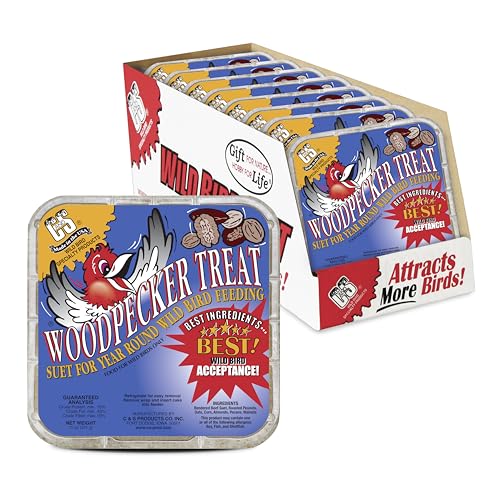
ATTRACTS COLORFUL WOODPECKER SPECIES like hairy woodpeckers, downy woodpeckers, red bellied woodpeckers, northern flickers, acorn woodpeckers, ladder backed woodpeckers and more!

【DURABLE & STURDY】This suet feeder for outside hanging is made of cedar wood for enhanced durability. It can hold 2 standard-sized suet cakes and measures about 17 inches in length (including hanging rope) and 8.3 inches in width. For better results, place it in a semi-sheltered location and avoid long-term heavy rain. Regular care helps prevent cracking and extends its service life.
Understanding Suet
Suet is a crucial energy source for many birds, especially in colder months. This high-fat food offers essential nutrients that support their survival.
Recommended Products

3 Pack of Bird Blend's Suet Cakes - Try It Out - Your Birds Will Love It

Includes a tray, making it easy to slip into the Kaytee Feeder station
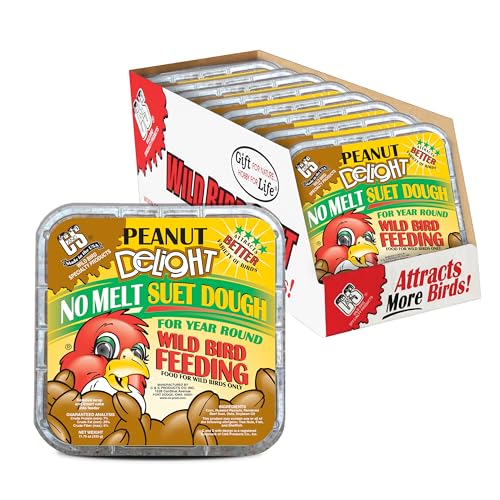
NO MELT PERFORMANCE UP TO 100°F; no melt suet dough is formulated to resist melting, dripping, or breaking down in warm temperatures, making it easy to handle and reliable in warm weather and climates
Definition of Suet
Suet is the solid fat derived from the kidneys and loins of animals, mainly cows and sheep. It’s rich in lipids and typically rendered into a hard, crumbly substance. You can offer suet in various forms, including cakes, pellets, or even homemade mixtures. Each form serves the same purpose: providing birds with an easy-to-digest food option packed with calories.
Nutritional Benefits for Birds
Birds benefit significantly from suet’s high-energy content. The fat in suet supplies essential fatty acids, promoting healthy feathers, muscle development, and reproductive success.
| Nutritional Benefits | Description |
|---|---|
| High Caloric Content | Fuels birds during winter and breeding seasons. |
| Essential Fatty Acids | Supports feather growth and overall health. |
| Protein Content | Aids in muscle development and energy levels. |
Bird species like woodpeckers, chickadees, and jays particularly enjoy suet-rich diets. You should consider offering suet during harsh weather conditions to attract various bird species to your feeders.
Types of Birds That Enjoy Suet
Many birds benefit from the high energy content of suet. It’s a popular food source that attracts various species to your backyard. Understanding which birds enjoy suet enhances your bird-watching activities.
Common Backyard Birds
- Woodpeckers: These birds often visit suet feeders for their protein and fat content. Downy and hairy woodpeckers, in particular, actively peck at suet cakes.
- Chickadees: Chickadees love suet for its energy-rich properties. They frequently visit feeders, consuming small amounts and storing excess food.
- Jays: Blue jays and stellar jays are enthusiastic eaters of suet. They enjoy both the taste and the nutritional benefits it provides.
- Nuthatches: These acrobatic foragers cling to suet feeders. They take chunks and store them in trees for later use.
- Sparrows: Various sparrow species are drawn to suet, especially during colder months. They appreciate the calories and nutrients from this food source.
Seasonal Variations in Bird Preference
Birds’ preferences for suet can shift with the seasons.
- Winter: During cold months, many birds rely on suet as a primary energy source. Increased visits to suet feeders occur as birds seek high-calorie options.
- Spring: As temperatures rise, some species may decrease their suet consumption, turning toward insects and seeds. However, many still enjoy suet, particularly during nesting.
- Summer: Most birds, including fledglings, may not visit suet feeders as often, focusing on insects and fruits instead.
- Fall: As temperatures drop again, birds will revisit suet feeders for energy replenishment. This transition is crucial for survival before winter sets in.
By offering suet year-round, you can cater to these changes in bird behavior and attract a variety of species throughout the seasons.
How to Offer Suet to Birds
Offering suet to birds attracts a variety of species and enhances your bird-watching experience. Follow these strategies for the best results.
Recommended Products

HOT PEPPER NO MELT FORMULA is safe and enjoyable for birds to consume and won’t interest unwanted animals that visit bird feeders like squirrels, skunks, opossums, racoons, and more.
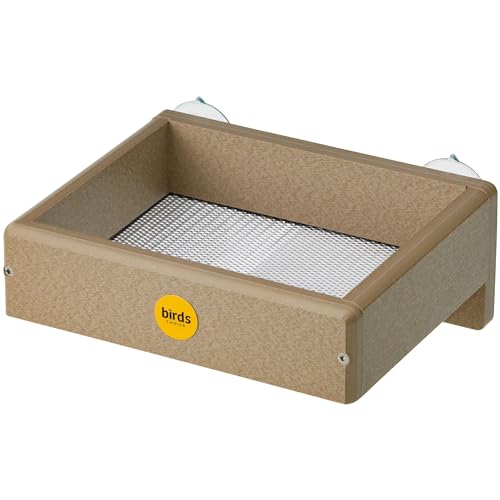
SMALL WINDOW MOUNT: Bring the birds right outside your window with this small recycled window mount platform feeder! Measures 8.5"L x 7"W x 3.2"H.

A CLEANER AND EASIER WAY TO FEED SUET. C&S Peanut Suet Nuggets are the perfect solution for feeding suet without the unpleasant feeling of touching a greasy suet cake.
Best Practices for Suet Feeders
- Choose the Right Location: Position suet feeders near natural cover like trees or shrubs. This provides safety for birds while they feed.
- Use Proper Feeders: Select suet feeders with sturdy construction. Wire mesh or cage feeders work well, allowing birds to cling and access the suet easily.
- Maintain Cleanliness: Clean feeders regularly to prevent mold and disease. Rinse with hot water and allow to dry before refilling.
- Monitor Food Levels: Check feeders frequently. Only refill when they are empty or getting low to ensure freshness.
- Hang at the Right Height: Place feeders between 5 to 10 feet off the ground. This height accommodates various bird species while keeping them safe from predators.
- Traditional Suet Cakes: Composed primarily of rendered animal fat, these suet cakes provide high energy. Look for quality brands that use natural ingredients.
- Seed-Enhanced Suet: Many suet cakes include seeds and nuts for added nutrition. Varieties with sunflower seeds attract a wider range of birds.
- Insect-Infused Suet: Suet cakes with mealworms or insects attract insect-eating birds like chickadees and woodpeckers. They provide essential protein during nesting season.
- Homemade Suet Blends: Create your own suet mixture using equal parts suet, peanut butter, and cornmeal. Pour it into molds or mesh feeders for a delicious offering.
- Temperature-Sensitive Options: In warmer months, consider using suet blends that remain firm without melting. These options can prevent waste during higher temperatures.
By following these suggestions, you can effectively offer suet to birds, encouraging them to visit your feeders year-round.
Observing Birds That Eat Suet
Birdwatching offers a unique opportunity to observe vibrant species drawn to suet. You can identify numerous birds attracted to suet feeders by their feeding behaviors and preferences.
Tips for Birdwatching
- Choose the Right Time: Early mornings or late afternoons are optimal for bird activity. During these times, birds exhibit more feeding behavior.
- Stay Quiet: Minimize noise to avoid startling birds. Keep conversations to a whisper and avoid sudden movements.
- Use Binoculars: Invest in a good pair of binoculars. They help you see birds clearly without disturbing them.
- Be Patient: Birds may take time to approach suet feeders, especially without familiar presence. Sit quietly and wait for them to arrive.
- Keep a Journal: Record the species you observe. Note dates, times, and weather conditions to track patterns over time.
- Select Appropriate Feeders: Use suet feeders designed for easy access by birds, such as mesh or cage-style feeders.
- Place Feeders Strategically: Hang feeders in sheltered areas close to trees. This provides safety and encourages bird visits.
- Keep Feeders Clean: Regularly clean feeders to prevent disease. Wash them with hot soapy water, rinsing thoroughly before refilling.
- Offer Variety: In addition to suet, provide seeds and nuts. This attracts a wider range of birds and keeps them coming back.
- Consider Nesting Areas: Plant native shrubs and trees to provide nesting sites. Birds appreciate natural habitats that offer shelter and resources.
Conclusion
Birds are drawn to suet for good reason. It provides the high-energy nutrition they need to thrive, especially during colder months. By offering suet at your feeders, you’re not just feeding birds; you’re creating a vibrant habitat that attracts a variety of species year-round.
Whether you choose traditional cakes or get creative with homemade blends, you’ll be amazed at the diversity of birds visiting your yard. Remember to keep your feeders clean and well-stocked, and enjoy the delightful show of nature right outside your window. Happy bird watching!
Frequently Asked Questions
What is suet and why is it beneficial for birds?
Suet is the solid fat from animal kidneys and loins, typically from cows or sheep. It serves as a high-energy food source for birds, especially during colder months, providing essential nutrients like calories, fatty acids, and protein that support their survival, healthy feathers, and muscle development.
Which birds are attracted to suet feeders?
Birds like woodpeckers, chickadees, jays, nuthatches, and sparrows are particularly drawn to suet due to its high-energy content. These species thrive on suet, especially during harsh weather when other food sources may be scarce.
How does suet consumption vary by season?
Birds tend to rely on suet more during winter for energy, while in spring, they may switch to insects and seeds. In summer, suet consumption decreases, and by fall, many return to suet feeders to prepare for winter, showing a seasonal pattern in their feeding preferences.
What types of suet offerings can I provide?
You can offer various types of suet, including traditional suet cakes, seed-enhanced suet, insect-infused suet, and homemade blends. Additionally, consider temperature-sensitive options for warmer months to ensure birds have access to suitable food year-round.
How should I maintain my suet feeders?
To maintain your suet feeders, choose a clean location, regularly check and refill the suet, and ensure the feeder is kept clean to prevent mold or bacteria growth. Hanging feeders at appropriate heights will also encourage birds to visit more frequently.
What are some tips for observing birds that eat suet?
When observing birds at your suet feeders, be patient and quiet to avoid scaring them away. Use binoculars for a closer look and consider keeping a journal to track the bird species and their behaviors for a more enriching bird-watching experience.
How can I create a natural habitat for birds?
To support local bird species and enhance your bird-watching experience, consider planting native shrubs and trees. These plants provide natural nesting sites and food sources, helping to attract a wider variety of birds to your yard year-round.
