


Key Takeaways
- Gather Essential Materials: Use a range of pencils (2H, HB, 2B, 4B) and choose suitable paper (smooth for detail, textured for effects) to enhance your cardinal drawing.
- Follow a Step-by-Step Process: Start by sketching basic shapes for the body, head, and features, then gradually refine with details like eyes, wings, and feathers.
- Focus on Color and Shading: Use vibrant reds and darker tones to create depth. Layer colors and apply shading to add realism and dimension to your cardinal artwork.
- Avoid Common Mistakes: Pay attention to proportions, take your time with outlines, and incorporate texture and shadows for a more lifelike appearance.
- Use References and Experiment: Study photos of cardinals for accuracy and try various pencil techniques, such as cross-hatching, to add interesting textures.
- Find Inspiration from Artists: Explore the works of notable artists like John James Audubon and Andrew Wyeth to gather ideas and techniques that can enhance your own drawing skills.
Have you ever wanted to capture the beauty of a cardinal bird on paper? These vibrant creatures are not only stunning to look at but also a joy to draw. If you’ve struggled with getting their unique features just right, you’re not alone. Many find it challenging to translate the vivid colors and intricate details onto the page.
Recommended Products

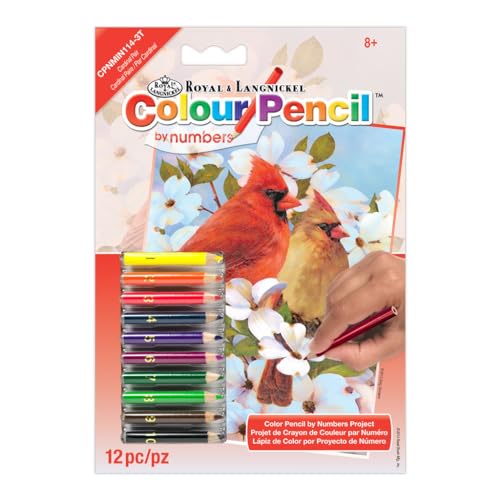
Country Of Origin: China

Materials Needed For Drawing
Gathering the right materials simplifies the drawing process and enhances your final artwork of a cardinal bird.
Recommended Products


Cream colored drawing paper

Smooth 80 lb paper perfect for graphite pencil, colored pencil, pen & ink, marker
Recommended Pencils and Erasers
Use a range of pencils for varied effects. Start with a 2H pencil for light sketching. This pencil creates fine lines for initial outlines. Switch to an HB for general sketching, and refine details with a 2B or 4B for darker lines. Choose a kneaded eraser for gentle corrections, as it lifts graphite without damaging the paper. A regular white eraser works well for precise areas.
Choosing the Right Paper
Select paper that suits your preferred drawing method. For pencil drawings, consider smooth drawing paper, which allows for detailed work. Choose textured paper for a more dynamic look, especially during shaded areas. Heavier weight paper (around 100 lb) holds up better under repeated erasing and layering. If you plan to add color, watercolor paper or mixed media paper works nicely.
Step-by-Step Guide
This guide provides clear steps to help you draw a cardinal bird effectively.
Sketching the Basic Shape
- Begin with an oval for the body; this will serve as the cardinal’s main form.
- Add a circle above the oval for the head; ensure the size is proportional.
- Draw a triangular shape for the beak, positioned slightly toward the front of the head.
- Outline the wings by creating two elongated shapes extending from the body, curving slightly.
- Create the tail by sketching a fan-like shape at the back of the body.
- Lightly mark the legs and feet, using simple lines for ease of adjustment.
Adding Features and Details
- Refine the head by adding the eyes. Draw small circles and position them above the beak.
- Detail the beak by adding shading along one side to give it dimension.
- Define the wings with feather-like shapes; use short, curved lines for realism.
- Add texture to the body by drawing subtle lines to depict feathers.
- Include the cardinal’s distinctive crest by sketching a series of short strokes on top of the head.
- Finalize the legs by adding small, sharp claws at the ends.
- Choose vibrant red for the main body; use colored pencils or markers for a rich effect.
- Apply a darker red or brown for the wings and tail feathers, blending softly.
- Use black or dark brown for the eyes and beak, ensuring bold contrast.
- Add shading below the body and under the wings with a darker shade of red, creating depth.
- Highlight areas with a lighter shade or white pencil to enhance the three-dimensional look.
- Blend colors for smooth transitions, ensuring the cardinal’s texture appears realistic.
By following these steps, you can create a lifelike representation of a cardinal bird.
Tips For Beginners
Drawing a cardinal bird can be both enjoyable and rewarding. Here are some essential tips to improve your drawing skills and avoid common pitfalls.
Recommended Products


Size Package: Valance for window package includes 1 pack rod pocket valance, each measuring 54x18in. Features a 3 inch rod pocket that fits up basic or decorative curtain rods, ensuring a secure and neat fit for various rod types. Window topper provides just enough coverage to frame the window beautifully, hiding unsightly hardware while leaving room for natural light.
Common Mistakes to Avoid
- Ignoring Proportions: Keep the body, head, and wings in proportion. Use simple shapes to establish the size and placement before adding details.
- Rushing the Outline: Take your time with the sketch. A rushed outline may result in awkward shapes and misplaced features.
- Forgetting Texture: Cardinals have unique feather patterns. Focus on adding texture to the wings and tail to reflect their natural appearance.
- Neglecting Shadows: Incorporate shadows to create depth. This adds realism and dimension to your drawing.
- Overusing Colors: Use colors sparingly. Too many hues can overwhelm the painting. Stick to vibrant reds, dark shades, and occasional highlights.
- Use Reference Images: Look at photos of cardinal birds. References help capture details accurately.
- Experiment with Layering: Build colors in layers. Start with light colors, then add darker ones to achieve richness in your artwork.
- Practice Shading: Utilize different pencil pressures for shading. Light pressure yields soft tones, while heavy pressure results in bold contrasts.
- Try various Pencil Techniques: Employ cross-hatching or stippling for added detail. These techniques create interesting textures.
- Incorporate Background Elements: Add a simple background. This provides context and enhances the cardinal’s presence. A few branches or leaves can elevate the composition.
Inspiration and References
Finding inspiration while drawing cardinal birds enhances your artistic experience. Various resources and examples help you connect with these stunning creatures.
Exploring Different Cardinal Bird Species
Cardinals belong to the family Cardinalidae and include several species worth exploring. Notable varieties include:
- Northern Cardinal: Bright red males contrast with brown females featuring red accents. Their distinct crest and robust beak stand out.
- Pyrrhuloxia: This lesser-known species resembles the Northern Cardinal but has a more subdued gray-brown plumage and a curved beak.
- Vermilion Flycatcher: Although not a true cardinal, this bird’s striking red color and black wings can provide beneficial color insights.
Studying these species offers a wider palette of colors and features for your artwork. Observing how each bird interacts with its environment also enhances your understanding of proportion and movement.
Notable Artists and Their Works
Several artists have captured the beauty of cardinals in their works. Their styles and techniques can provide inspiration and techniques to incorporate into your art. Consider exploring:
- John James Audubon: His illustrations in “The Birds of America” showcase detailed and vibrant portrayals of cardinals that highlight their natural habitat.
- Andrew Wyeth: Known for his realistic and emotional depictions, Wyeth often included cardinals in his landscapes, using them to elevate the composition.
- Robert Bateman: His wildlife art emphasizes capturing moments in nature, providing a fresh perspective on cardinals in their environments.
Viewing these artists’ works and understanding their techniques can inspire your artistic journey and inform your drawing process.
Conclusion
Drawing a cardinal bird can be a rewarding experience that allows you to express your creativity. Remember to take your time and enjoy the process. Each step you take brings you closer to capturing the beauty of these vibrant creatures.
Don’t hesitate to experiment with different techniques and materials. The more you practice the more confident you’ll become in your skills. Use reference images to refine your understanding of their unique features and colors.
With patience and dedication you can create stunning representations of cardinals that reflect their lively essence. So grab your pencils and let your artistic journey begin!
Frequently Asked Questions
What materials do I need to draw a cardinal bird?
To draw a cardinal bird, gather a range of pencils (starting with a 2H for light sketching to darker pencils for detailing), a kneaded eraser for gentle corrections, and smooth drawing paper for detailed work. Textured paper can also be used for dynamic shading.
How do I start drawing a cardinal bird?
Begin with sketching the basic shapes: an oval for the body, a circle for the head, and triangles for the beak. Outline the wings and tail, then gradually add more details such as eyes, feathers, and the cardinal’s crest.
What colors should I use for a cardinal?
Choose vibrant reds for the body, darker shades for the wings and tail, and experiment with blending techniques to achieve a lifelike effect. Consider using reference images for accurate color representation.
What common mistakes should I avoid when drawing?
Avoid common mistakes such as ignoring proportions, rushing the outline, forgetting texture, neglecting shadows, and overusing colors. Take your time to refine your work and focus on essential details.
How can I improve my drawing skills?
To enhance your drawing skills, use reference images, practice layering colors, experiment with shading techniques like cross-hatching or stippling, and incorporate background elements to increase context in your artwork.
Why is studying different cardinal species beneficial?
Studying various species within the Cardinalidae family helps artists understand unique features and colors, aiding in accurate proportion and movement representation. This knowledge contributes to more realistic and informed drawings.
Which artists can inspire me to draw cardinals?
Notable artists like John James Audubon, Andrew Wyeth, and Robert Bateman have beautifully captured cardinals. Analyzing their styles and techniques can inspire your drawing process and help you explore new artistic ideas.
