


Key Takeaways
- Incubation Duration Varies by Species: Different bird species have specific time limits for how long their eggs can be left unattended, ranging from 1-2 hours for hummingbirds to up to 24 hours for chicken eggs.
- Optimal Temperature and Humidity: Maintaining an incubation temperature between 99°F to 102°F (37°C to 39°C) and humidity levels between 40% and 70% is critical for embryo development.
- Environmental Impact: Extreme temperatures (below 80°F or above 104°F) and direct sunlight can significantly reduce the viability of unattended eggs, so choose shaded locations for nests.
- Monitor and Intervene with Care: Use a thermometer and hygrometer to monitor conditions, limit handling of nests to minimize disturbance, and seek expert help if you encounter abandoned eggs.
- Consider Alternatives: For vulnerable eggs, using an incubator can provide a controlled environment and increase the chances of successful hatching if the eggs are found unattended.
- Document Observations: Keeping a record of temperature, humidity, and egg behavior during incubation can help identify potential issues and improve outcomes for bird eggs.
Have you ever wondered how long bird eggs can sit unattended during incubation? It’s a question many bird enthusiasts and casual observers face, especially when they spot a nest in their yard. You might find yourself worried about the eggs if the parent birds leave for a while.
Understanding the incubation process is important for anyone interested in birdwatching or conservation. This article will guide you through the factors that affect how long eggs can safely be left alone. You’ll learn what to look for and how to help if you come across a situation where eggs are at risk. Whether you’re a seasoned bird lover or just curious, this information can make a real difference.
Recommended Products
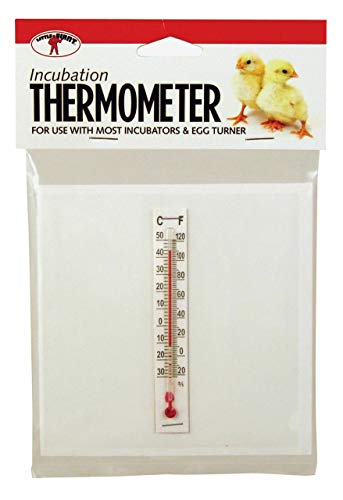
NO MERCURY - This thermometer is Mercury free and completely safe to use. It uses alcohol and kerosene to measure temperature.
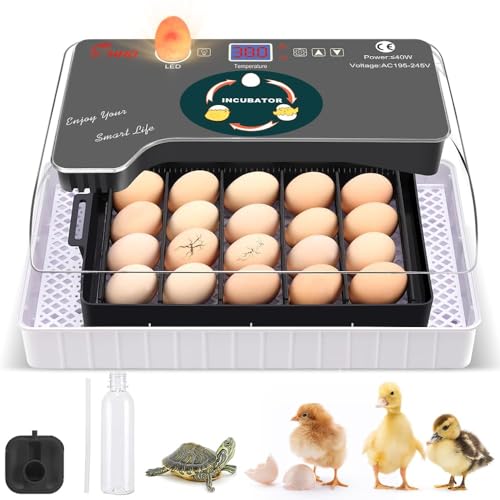
【Stable Temperature 】Our egg incubator is equipped with an advanced digital temperature control system that allows for precise temperature adjustments and control. With precise temperature control, you can greatly increase the possibility of hatching rates.The straightforward button operations streamline the incubation process, making it easy for even children to learn.

𝐄𝐀𝐒𝐘 𝐌𝐎𝐍𝐈𝐓𝐎𝐑𝐈𝐍𝐆 𝐖𝐈𝐓𝐇 𝐑𝐄𝐌𝐎𝐓𝐄 𝐏𝐑𝐎𝐁𝐄: The combination of digital thermometer and hygrometer with a remote sensor in a single device allows users to monitor both temperature and humidity levels simultaneously, important for the ideal conditions in egg incubation. The remote probe can be placed inside the incubator while the display remains outside for easy viewing.
Understanding Bird Egg Incubation
Incubation plays a crucial role in the development of bird eggs. During this period, eggs rely on controlled conditions to ensure the survival of the embryos inside. You’ll learn about the significance of incubation and the specific environmental needs for successful hatching.
Recommended Products
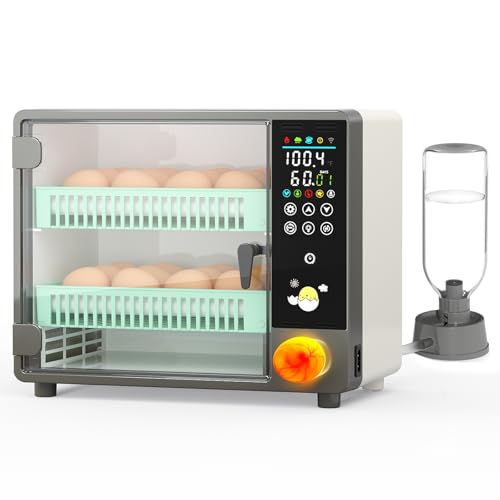
Maintain Temperature: The incubators for hatching eggs feature fan-assisted heating system that maintains a constant temperature inside the chicken incubator. Additionally, the egg incubator monitors temperature and issues an alarm when abnormal temperatures occur

LED Digital Temperature Control: Featuring an adjustable temperature range of 68°F–104°F (20°C–39.5°C) with ±0.5°F accuracy, the egg incubator’s LED digital system ensures exceptional stability. It is specially calibrated to maintain the ideal chicken egg hatching range of 99.5°F–100.5°F, supporting maximum hatch rates. Suitable for quail, chicken, duck eggs.

5 INCUBATION MODES AVAILABLE: 4 automatic modes will program the temperature automatically, while 1 constant temperature mode for custom temperature settings. The incubators for hatching eggs will monitor and remain constant temperature, sounding an alarm when temperature deviations occur
The Importance of Incubation
Incubation is vital for the growth of bird embryos. It ensures that eggs maintain proper warmth and humidity. For many species, the female bird typically incubates the eggs for 10 to 80 days, depending on the species. If the eggs remain unattended for too long, the embryos may perish. Understanding the incubation habits of different birds helps you understand what to expect when observing nests.
Incubation Temperature and Conditions
Temperature and humidity are critical during incubation. Most bird eggs require a temperature range between 99°F to 102°F (37°C to 39°C). Variations outside this range can lead to developmental issues. Maintaining consistent humidity levels is also key; a relative humidity of 40% to 70% is ideal for most species.
If you find an unattended nest, gently check the temperature using a thermometer. If the conditions seem unfavorable, you can lightly mist the eggs to help maintain humidity. However, always be cautious when approaching nests, as excessive disturbance can cause birds to abandon them.
Factors Affecting Unattended Eggs
Understanding the factors influencing how long bird eggs can remain unattended is crucial for bird enthusiasts. Key aspects include species-specific guidelines and environmental conditions.
Species-Specific Guidelines
Different bird species have varying capacities for leaving eggs unattended. Some species, like chickens, can tolerate longer periods without maternal care. For instance, chicken eggs can remain unattended for up to 24 hours without significant risk. In contrast, species like hummingbirds are more sensitive; their eggs shouldn’t be left alone for more than a few hours. It’s important to familiarize yourself with the specifics of the bird species involved, as this knowledge informs how to handle any encountered eggs.
Environmental Conditions
Environmental factors significantly impact the viability of unattended eggs. Temperature plays a key role; eggs exposed to temperatures below 80°F (27°C) or above 104°F (40°C) face risks. Humidity also contributes to embryo health; the relative humidity should remain between 40% and 70%. Too much dryness can kill developing embryos, while excessive moisture can lead to mold growth. Pay attention to the nesting location; shaded areas reduce heat exposure and help maintain humidity.
By addressing these species-specific guidelines and environmental conditions, you can better understand how to support unattended bird eggs.
How Long Can Bird Eggs Be Left Unattended During Incubation?
Understanding the safe timeframe for leaving bird eggs unattended during incubation is crucial for successful hatching. Various factors influence this duration, primarily species and environmental conditions.
Recommended Products

【Fahrenheit/Celsius】 The Thermometer Humidity Monitor can achieve the mutual conversion between Fahrenheit (°F) and Celsius (°C).Temperature measurement accuracy:±1.8℉, humidity measurement accuracy: ±3~5%RH.

【STABLE TEMPERATURE】: The circulating airflow system driven by a strong fan provides a stable temperature condition for the eggs.
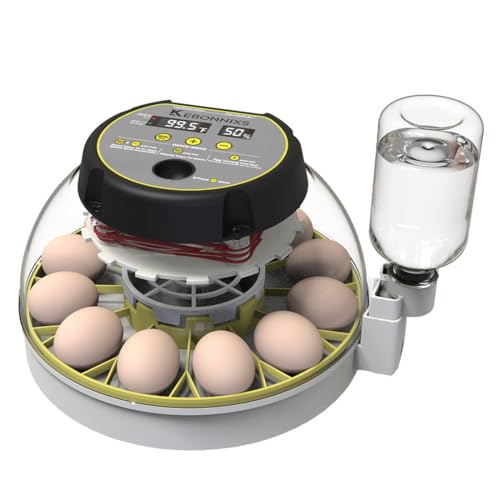
★【STABLE TEMPERATURE】- Induced airflow system drived by a strong circulating fan for a stable incubator temperature distribution
General Time Frames
Bird eggs have different unattended time limits based on species. Here’s a quick overview:
- Chicken Eggs: Can be left unattended for up to 24 hours.
- Dove Eggs: Typically safe for about 12 hours.
- Duck Eggs: May endure without incubation for 24 to 30 hours.
- Hummingbird Eggs: Should not be left without warmth for more than 1 to 2 hours.
When considering how long you can leave eggs unattended, always remember that prolonged absence can lead to embryo death.
Exceptions to the Rule
Some factors can alter the general time frames significantly. Pay attention to these exceptions:
- Environmental Conditions: High temperatures above 104°F (40°C) or low temperatures below 80°F (27°C) increase risks. Eggs exposed to extremes may not survive as long.
- Nest Location: Shaded nests in cooler environments can prolong the time eggs remain viable unattended, compared to those in direct sunlight.
- Incubation Stage: Later stages of incubation require more consistent warmth, making it vital to minimize unattended time as hatching approaches.
By keeping these time frames and exceptions in mind, you ensure the best possible outcome for unattended bird eggs during the incubation process.
Best Practices for Incubation Management
Monitor Temperature and Humidity
Monitor temperature and humidity closely, as these factors significantly impact embryo development. Keep the temperature between 99°F to 102°F (37°C to 39°C) and humidity levels at 40% to 70%. Use a reliable thermometer and hygrometer for accurate readings.
Limit Unattended Time
Limit the time eggs remain unattended based on species-specific guidelines. For instance, chicken eggs can be left for up to 24 hours, while hummingbird eggs require checking within 1 to 2 hours. Adjust your approach based on environmental conditions, as extreme temperatures can shorten this safe window.
Maintain Nest Conditions
Maintain optimal nest conditions to protect eggs. Choose shaded locations that help regulate temperature. Avoid exposing eggs to direct sunlight or excessive wind, which can lead to overheating or drying out.
Check for Disturbances
Check nests cautiously to avoid disturbing the brooding bird. Minimize handling and stick to necessary observations. If you must intervene, do so quickly and quietly. Frequent disturbances can cause abandonment.
Seek Help When Needed
Seek help if you encounter abandoned eggs or nests. Contact local wildlife authorities or bird rescue organizations for advice. They possess experience and can guide you on the best course of action without jeopardizing the eggs’ safety.
Use an Incubator for Hatching
Consider using an incubator if you’re concerned about conditions in the wild. An incubator provides a controlled environment, allowing you to maintain the proper temperature and humidity. Follow the manufacturer’s instructions for optimal results.
Record Egg Development
Record observations throughout the incubation process. Note changes in temperature, humidity, and egg behavior. Keeping a log helps track progress and ensures that you address any potential issues in time.
By following these best practices, you enhance the chances of successful hatching for unattended bird eggs during the incubation period.
Conclusion
Understanding the delicate nature of bird egg incubation can make a real difference in ensuring their survival. By knowing how long eggs can be left unattended and the specific needs of different species, you can help protect these precious embryos.
Always remember to monitor the conditions around the nest and act thoughtfully if you encounter unattended eggs. Your care and attention can play a vital role in their successful hatching. Whether you’re a seasoned birdwatcher or just starting out, your efforts can contribute to the beauty of nature and the continuation of bird populations. Happy birdwatching!
Frequently Asked Questions
How long can bird eggs be left unattended during incubation?
Bird eggs can typically be left unattended for a limited time, which varies by species. For instance, chicken eggs can tolerate around 24 hours without the mother, while hummingbird eggs should not be left alone for more than a few hours. It’s crucial to understand the specific species’ guidelines for the best chance of successful hatching.
What factors influence the safety of unattended bird eggs?
The safety of unattended bird eggs depends on environmental conditions such as temperature and humidity. Most bird eggs require a temperature range of 99°F to 102°F (37°C to 39°C) and a relative humidity of 40% to 70%. Exposure to temperatures outside this range can jeopardize embryo development.
What should I do if I find unattended bird eggs?
If you encounter unattended bird eggs, observe from a distance to avoid disturbing the nest. Check for any signs of the parent bird returning. If the conditions are concerning (like extreme temperatures), consider contacting local wildlife authorities for guidance on how to proceed safely.
How can I help maintain proper conditions for unattended bird eggs?
To help maintain proper conditions for unattended bird eggs, avoid direct handling, and create a shaded area if possible. Monitor the temperature and humidity near the nest, and limit disturbances to reduce the risk of abandonment by the parents. Always prioritize the nest’s natural conditions.
When should I use an incubator for bird eggs?
You should consider using an incubator when you discover abandoned eggs or if the natural conditions are inadequate for hatching. An incubator can accurately monitor temperature and humidity, increasing the chances of successful hatching. Always record your observations for tracking development.
Why is incubation important for birds?
Incubation is crucial for birds because it provides the necessary warmth and humidity to develop embryos inside the eggs. Proper incubation ensures the right conditions for hatching, as eggs left unattended for too long may not survive due to temperature fluctuations or dehydration.
