


Have you ever wondered if your feathered friends can safely munch on salty snacks? It’s a common question for pet owners and bird enthusiasts alike. After all, we often share our food with our pets, but not all human treats are safe for them.
Key Takeaways
- Balanced Diet is Essential: Birds need a varied diet including seeds, fruits, vegetables, pellets, and nuts to thrive and avoid health issues.
- Limit Salt Intake: While birds can consume small amounts of salt, excessive salt can lead to serious health problems like dehydration, kidney damage, and hypertension.
- Recognize Symptoms of Salt Toxicity: Increased thirst, lethargy, vomiting, diarrhea, and tremors are key indicators of salt toxicity in birds.
- Provide Fresh Water: Always ensure your bird has access to fresh water, particularly if salt consumption has occurred, to help mitigate dehydration.
- Safe Salt Types: If introducing salt, use natural options like sea salt, Himalayan pink salt, or rock salt in minimal quantities and consult a vet for guidance.
Recommended Products

DIETARY SUPPLEMENT: Use Wild Harvest Molting Supplement to provide added vitamins and minerals to your bird’s regular daily diet.
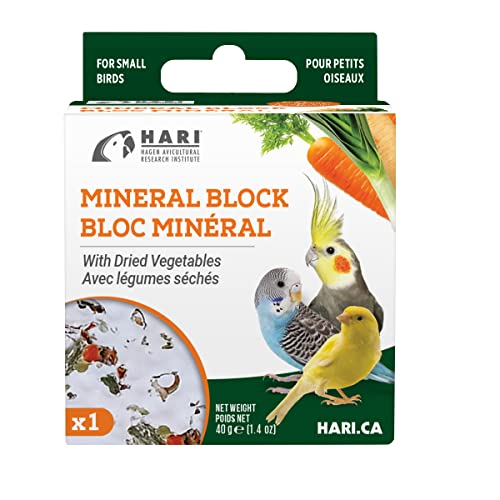
Rich source of calcium for strong bones and optimal growth

HEALTHY INDOOR BIRDS: Fresh-ground flaxseed base to deliver a healthy balance of Omega fatty acids, fiber & antioxidants, plus superfood ingredients like yucca, dried kelp & proteins (soy & whey). All to provide your captive bird support for thick plumage, energy & digestion.
Understanding Bird Diets
Birds require a balanced diet to maintain their health and energy levels. Knowing what to feed your feathered friends ensures they thrive and enjoy a long life.
Recommended Products


Adds a nutritious punch to your pet's experience with B vitamins, omega 3, antioxidants, and fiber

Tasty, Nutritious Treat
Importance of Nutritional Balance
Nutritional balance plays a crucial role in a bird’s overall well-being. Birds need various nutrients, including proteins, fats, vitamins, and minerals. A diet lacking in essential nutrients can lead to health problems, such as feather plucking or weakened immune systems. Offering a mix of foods, including pellets, fresh fruits, vegetables, and seeds, promotes optimal health. Always research species-specific dietary needs, as different birds have diverse requirements.
Common Foods for Birds
Common foods that benefit birds include:
- Seeds: Many birds enjoy sunflower seeds, safflower seeds, and millet. These provide essential fatty acids and energy.
- Fruits: Offer apples, bananas, and berries in moderation. Fruits supply vitamins and hydration.
- Vegetables: Provide leafy greens like spinach and kale, along with carrots and bell peppers. Veggies contain important nutrients and minerals.
- Pellets: Use high-quality pellets formulated for your bird’s species. Pellets should make up a significant portion of their diet.
- Nuts: Many birds enjoy almonds, walnuts, and pecans. Nuts are a good protein source but should be given sparingly due to high-fat content.
Avoid giving birds foods high in salt, sugar, or unhealthy fats. Always check food labels and steer clear of processed snacks or anything harmful. By understanding their dietary needs, you can help your birds stay healthy and happy.
Can Birds Eat Salt?
Birds can consume small amounts of salt, but excessive salt intake poses health risks. Understanding their natural salt sources and the effects of salt on health helps pet owners make informed choices.
Natural Salt Sources in Bird Diet
Birds encounter natural salt in their environment. Common sources include:
- Mineral Deposits: Birds often find natural salts in soil and rocks.
- Plants: Certain plants contain small amounts of sodium.
- Insects: Many insects are naturally low in sodium yet can provide bird diets with trace amounts.
In the wild, birds access these sources, allowing them to regulate their sodium intake effectively.
Effects of Salt on Birds’ Health
High salt consumption can lead to serious health issues in birds. Notable effects include:
- Dehydration: Excess salt causes birds to lose more water, leading to dehydration.
- Kidney Damage: Birds’ kidneys may struggle to filter out excess sodium, leading to potential kidney failure.
- Hypertension: Elevated blood pressure can occur, putting additional strain on heart health.
Feeding birds human foods high in salt can quickly lead to these problems. Limit their intake of processed snacks and fast foods high in sodium to keep them healthy.
Signs of Salt Toxicity in Birds
Recognizing signs of salt toxicity in birds is crucial for their well-being. Salt can cause severe health issues if consumed in excess.
Recommended Products

PRODUCT OF ITALY – Authentic Mediterranean Sea Salt, originating from Trapani Salt Flats in Sicily, where the production of sea salt is a completely natural and time honored process, ensuring the highest standards of quality and authenticity.

THE BEST MEDITERRANEAN SEA SALT: Our salt is carefully gathered from the pristine coasts of the Mediterranean, capturing the essence of this renowned region. It is carefully certified to guarantee its origin and to maintain the highest standards of purity.

THE BEST MEDITERRANEAN SEA SALT: Our salt is carefully gathered from the pristine coasts of the Mediterranean, capturing the essence of this renowned region. It is carefully certified to guarantee its origin and to maintain the highest standards of purity.
Symptoms to Watch For
- Increased Thirst: You might notice your bird drinking more water than usual. This thirst usually indicates dehydration caused by excessive salt.
- Lethargy: Your bird may show signs of tiredness or a lack of energy. Lethargic behavior often results from the body’s struggle to deal with high sodium levels.
- Vomiting: Watch for any instances of vomiting. This symptom can be direct evidence of salt consumption and indicates distress in the digestive system.
- Diarrhea: Abnormal droppings, particularly watery stools, often signal salt toxicity. This condition can lead to further dehydration.
- Tremors or Seizures: In severe cases, you may see tremors or seizures. This indicates a serious health crisis requiring immediate intervention.
- Immediate Access to Fresh Water: Provide your bird with fresh water right away. Hydration helps dilute the salt and can alleviate some symptoms.
- Visit a Veterinarian: If symptoms persist or worsen, contact a veterinarian promptly. Professionals can perform tests and administer appropriate treatments.
- Avoid Salt in Diet: Remove any salty foods from your bird’s diet to prevent further issues. Stick to a balanced diet rich in seeds, fruits, and vegetables.
- Monitor Bird’s Behavior: Keep an eye on your bird’s activity levels and droppings. Document any changes, as this information is valuable for the vet.
- Educate Yourself: Familiarize yourself with safe bird foods. Understanding what foods contain high salt levels can help you avoid them in the future.
How to Provide Salt Safely for Birds
Providing salt safely for birds involves careful consideration of the type and quantity offered. While small amounts of salt can be beneficial, moderation is crucial to avoid health issues.
Types of Salt Safe for Birds
- Sea Salt: Contains natural minerals. Use in tiny amounts, as it offers beneficial trace elements.
- Himalayan Pink Salt: Rich in minerals. Make sure to use it sparingly to limit sodium intake.
- Rock Salt: Often serves as a natural mineral source. Offer in small pieces so birds can consume it gradually.
Always consult with a veterinarian before introducing any salt into your bird’s diet to ensure it’s appropriate for your specific bird species.
- Calcium: Found in cuttlebones and oyster shells. Supports bone health and egg production.
- Potassium: Available in fruits and vegetables like bananas and spinach. Vital for nerve and muscle function.
- Magnesium: Present in seeds and nuts. Important for many metabolic processes.
Provide these minerals as part of a varied diet. Aim for a mix of foods that naturally contain these nutrients. Regular health check-ups allow you to adjust the diet based on your bird’s needs.
Conclusion
Taking care of your feathered friend means being mindful of what they eat. While a little salt can be okay, too much can lead to serious health issues. Always prioritize a balanced diet filled with nutritious options like seeds fruits and veggies.
Keep an eye out for any signs of salt toxicity and don’t hesitate to consult your vet if you’re unsure. By being informed and cautious you can help your bird live a happy and healthy life. Remember that moderation is key and your bird will thank you for it!
Frequently Asked Questions
Can birds eat salty snacks?
Birds should avoid salty snacks as high salt intake can lead to serious health issues like dehydration, kidney damage, and hypertension. While small amounts of salt are natural, excessive consumption from human food is detrimental.
What are safe food options for birds?
Safe food options for birds include seeds, fruits, vegetables, pellets, and nuts. These provide essential nutrients like proteins, fats, vitamins, and minerals that contribute to a balanced diet.
How can I tell if my bird has salt toxicity?
Signs of salt toxicity in birds include increased thirst, lethargy, vomiting, diarrhea, and in severe cases, tremors or seizures. Monitor your bird closely for these symptoms and seek immediate care if observed.
What should I do if my bird shows signs of salt toxicity?
If your bird shows signs of salt toxicity, provide immediate access to fresh water, remove salty foods, monitor behavior closely, and consult a veterinarian for proper care and guidance.
Is it safe to give birds salt?
While birds can consume small amounts of salt, moderation is key. Safe types of salt include sea salt, Himalayan pink salt, and rock salt. Always consult a veterinarian before adding salt to their diet.
What minerals are essential for birds?
Essential minerals for birds include calcium, potassium, and magnesium. These minerals support overall health and can be found in various foods, so ensure your bird’s diet is well-rounded.
How often should I check my bird’s health?
Regular health check-ups are recommended to adjust your bird’s diet based on specific needs and to monitor overall health. This ensures they continue to thrive and receive necessary nutrients.
