


Have you ever wondered if the birds in your backyard would enjoy a snack of fresh cranberries? As you prepare for the holiday season, you might find yourself with leftover cranberries and wonder if you can share them with your feathered friends.
Key Takeaways
- Nutritious Offering: Fresh cranberries are non-toxic and provide essential vitamins and antioxidants that support birds’ health, especially during winter months.
- Attracting Birds: Popular species that enjoy cranberries include American Robins, Northern Cardinals, and Blue Jays, making them a great option for backyard feeding.
- Preparation Tips: Select high-quality, bright red cranberries and cut them into smaller pieces for easier consumption by birds.
- Feeding Methods: Use platform feeders or scatter pieces in your yard; mixing cranberries with seeds, nuts, or other fruits can create a diverse feeding option.
- Consistent Feeding: Regularly offering cranberries helps familiarize birds with the feeding spot, encouraging repeat visits and enhancing your backyard ecosystem.
- Observation Opportunities: Birdwatching becomes rewarding as you see various species enjoying the cranberries, particularly during early mornings or late afternoons when they’re most active.
Recommended Products


PROVEN TO KEEP SEED LONGER: It is a bird safe moisture trap, keeping bird seed expenses down by changing seed less often

PROVEN TO KEEP SEED LONGER: It is a bird safe moisture trap, keeping bird seed expenses down by changing seed less often
Will Birds Eat Fresh Cranberries?
Birds enjoy a variety of foods, including fruits. Fresh cranberries are non-toxic and can serve as a nutritious snack for many bird species. They provide natural sugars, vitamins, and antioxidants that promote overall health.
Recommended Products
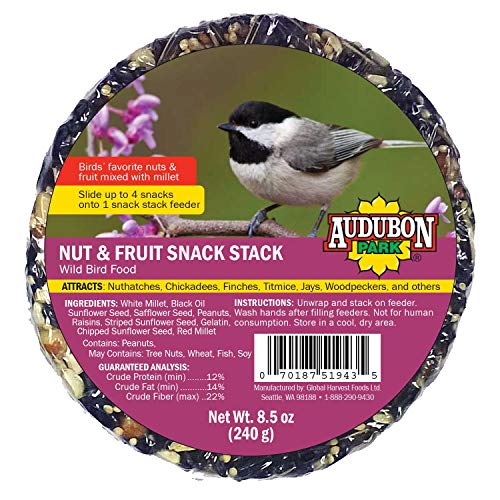
Birds' favorite nuts and fruit mixed with millet

Clever crow collects a peanut from a backyard feeding station, turning the familiar exchange between corvids and the people who feed them into playful bird behavior humor.

4 Great Flavors of Large Seed Cakes Formulated to Attract Songbirds
Attracting Birds with Cranberries
- Choose Fresh, Red Cranberries: Select cranberries that are bright red and firm. Avoid those that are mushy or brown.
- Cut into Smaller Pieces: Birds prefer smaller morsels. You can cut the cranberries in half or into quarters to make them easier to eat.
- Place in Bird Feeders: Use platform feeders or spread them on a flat surface to attract different bird species.
- Mix with Other Foods: Combine cranberries with seeds, nuts, or other fruits to create a diverse feeding option.
Birds Likely to Eat Cranberries
- American Robins: These birds commonly eat fruits and enjoy cranberries.
- Northern Cardinals: Their diet includes various fruits, making cranberries an appealing choice.
- Blue Jays: Blue Jays often relish fruits and nuts, so they may take interest in cranberries.
- Woodpeckers: Some woodpecker species eat fruits, including cranberries, especially in winter.
- Feed in Winter: Offer cranberries during colder months when natural food sources are scarce.
- Make Homemade Bird Treats: Mix cranberries with other bird-friendly ingredients to create treats. You can use gelatin to bind the ingredients together and form shapes.
- Stay Consistent: Regularly provide cranberries to familiarize birds with the feeding spot and encourage return visits.
Incorporating fresh cranberries into your bird feeding routine fosters a healthy ecosystem in your backyard and attracts various feathered friends.
Nutritional Value of Fresh Cranberries
Fresh cranberries offer significant nutritional benefits for birds. They’re low in calories and high in essential nutrients. You can incorporate them easily into your feeding routine to enhance the health of visiting birds.
Vitamins and Minerals
Fresh cranberries contain several important vitamins and minerals. Notable nutrients include:
- Vitamin C: Supports the immune system and overall health.
- Vitamin E: Acts as an antioxidant, protecting cells from damage.
- Vitamin K: Important for blood clotting and bone health.
- Manganese: Aids in metabolism and bone formation.
These nutrients can help strengthen birds’ overall well-being, especially during colder months when food sources dwindle.
Antioxidants and Health Benefits
Fresh cranberries are rich in antioxidants. Antioxidants guard against oxidative stress, which can lead to serious health issues. Key antioxidants in cranberries include:
- Flavonoids: Improve heart health and reduce inflammation.
- Proanthocyanidins: May lower the risk of urinary tract infections in birds.
These health benefits contribute to a stronger, healthier bird population. By offering fresh cranberries, you support the feathered visitors in your backyard, providing them the nutrients they need to thrive.
Types of Birds That Enjoy Cranberries
Many birds appreciate the taste and benefits of fresh cranberries. These berries provide nourishment during colder months when food options dwindle. Here’s a closer look at the types of birds you can expect to see enjoying cranberries in your backyard.
Common Backyard Birds
- American Robins: American Robins love fresh fruits, including cranberries. Their fondness for berries makes them a common sight during winter.
- Northern Cardinals: Northern Cardinals enjoy a variety of fruits and nuts. Their bright colors enhance the beauty of any backyard.
- Blue Jays: Blue Jays are also intrigued by cranberries. They’re known for their intelligence and adaptability, making them frequent visitors to feeders.
- House Finches: House Finches will munch on cranberries. Their adaptable nature allows them to thrive in urban and suburban settings.
- Mourning Doves: Mourning Doves may nibble on cranberries as part of their varied diet. They often forage near the ground, so placing cranberries on flat surfaces can attract them.
- Wood Thrush: Wood Thrushes migrate through eastern regions of the U.S. and often feast on berries, including cranberries, during their journey.
- Rose-breasted Grosbeak: Rose-breasted Grosbeaks enjoy cranberries while migrating in spring and fall, adding a splash of color to the landscape.
- Scarlet Tanager: Scarlet Tanagers stop to refuel on berries during migration. Their bright red plumage makes them a stunning sight.
- Common Yellowthroat: Common Yellowthroats often forage for insects and fruits alike, including cranberries, making them versatile diners.
- Ruby-throated Hummingbirds: While primarily nectar feeders, Ruby-throated Hummingbirds may enjoy small bits of cranberry as a food source during migration.
By offering fresh cranberries in your backyard, you support both common and migratory birds, helping create a vibrant ecosystem.
How to Serve Fresh Cranberries to Birds
Serving fresh cranberries to birds can delight both you and your feathered friends. This section covers preparation methods and best feeding practices to ensure a positive experience for everyone involved.
Preparation Methods
- Select High-Quality Cranberries: Choose fresh, bright red cranberries. Inspect for blemishes or mold.
- Wash the Cranberries: Rinse cranberries in cold water to remove any debris or pesticides.
- Cut into Smaller Pieces: Slice cranberries in half or quarters to make them easier for birds to eat.
- Combine with Other Foods: Mix chopped cranberries with seeds, nuts, or other fruits to create a nutritious blend.
- Make Homemade Treats: Combine cranberries with birdseed or peanut butter for DIY bird treats.
- Use Appropriate Feeders: Place cranberries in platform feeders or hang them from trees to attract various birds.
- Offer Regularly: Refill feeders or scatter cranberries every few days to encourage birds to return.
- Feed in Winter: Provide cranberries during colder months when natural food sources diminish.
- Monitor Feeding Areas: Observe which birds visit and adjust offerings based on their preferences and activity.
- Clean Feeders Regularly: Remove old cranberries and clean feeders weekly to prevent spoilage and disease.
By following these guidelines, you can effectively serve fresh cranberries to birds, enhancing their wildlife experience in your backyard.
Observing Birds Eating Cranberries
Watching birds enjoy fresh cranberries can be a rewarding experience. These vibrant berries attract various species, providing an opportunity to observe their feeding behaviors.
Tips for Birdwatching
- Choose the Right Time: Opt for early morning or late afternoon when birds are most active. These hours increase the likelihood of seeing various species visiting your feeding station.
- Use Binoculars: Invest in a good pair of binoculars for better visibility. Binoculars with a magnification of 8x to 10x work best for birdwatching.
- Stay Quiet and Still: Minimize movement and noise to avoid startling birds. Sit quietly near your feeding area or use a bird blind to enhance your viewing experience.
- Keep a Journal: Document the different bird species you observe. Include details like the date, time, and any behaviors you notice. This can help you recognize patterns and improve your experience over time.
- Research Common Birds: Familiarize yourself with local bird species that enjoy cranberries. Knowing what to expect increases your chances of spotting these feathered friends.
- Select the Right Location: Set up feeders in sheltered areas near trees or shrubs. This provides birds with a safe place to retreat while they feed.
- Maintain Clean Feeders: Regularly clean your feeders to prevent mold and bacteria. A solution of one part vinegar to four parts water works well.
- Offer Variety: Combine cranberries with seeds, nuts, or dried fruits to create an enticing mix. This variety attracts different bird species.
- Avoid Chemicals: Ensure no pesticides or herbicides are used near your feeding area. Chemicals can harm birds and deter them from visiting your yard.
- Provide Water: Include a birdbath or shallow dish filled with fresh water. Hydration is essential, especially during hot weather or winter months.
Incorporating these tips helps you create a welcoming environment for birds, ensuring they enjoy their cranberry snacks and give you delightful moments of observation.
Conclusion
Sharing fresh cranberries with your backyard birds can be a rewarding experience. Not only do these berries provide essential nutrients but they also attract a variety of beautiful bird species to your yard. By following a few simple tips for preparation and presentation you can create a delightful feeding environment.
Remember to keep your feeders clean and maintain a consistent feeding routine. Watching birds enjoy their cranberry treats can bring joy and a sense of connection to nature. So go ahead and spread some holiday cheer by offering these nutritious snacks to your feathered friends. You’ll be amazed at the lively visitors that show up!
Frequently Asked Questions
Can I feed leftover cranberries to backyard birds?
Yes, leftover cranberries are a great snack for backyard birds. Fresh cranberries are non-toxic and provide essential nutrients.
What birds enjoy eating cranberries?
Birds such as American Robins, Northern Cardinals, Blue Jays, and various woodpeckers typically enjoy cranberries.
How should I prepare cranberries for birds?
Cut fresh cranberries into smaller pieces and place them in bird feeders or on flat surfaces. Mixing them with seeds or nuts can provide variety.
When is the best time to feed cranberries to birds?
Feeding cranberries during winter is ideal, as natural food sources are often scarce for birds at that time.
Are cranberries healthy for birds?
Yes, cranberries are packed with vitamins C, E, and K, along with antioxidants that support bird health, particularly in colder months.
How can I attract more birds to my feeders?
Using fresh, bright red cranberries and ensuring a consistent feeding routine can help attract more birds to your feeders.
Should I clean my bird feeders regularly?
Absolutely! Keeping feeders clean helps prevent spoilage and disease, ensuring a safe feeding environment for birds.
What other foods can I mix with cranberries for birds?
Mix cranberries with seeds, nuts, or other fruits to create a nutritious and varied feeding option for birds.
How can I enjoy birdwatching while feeding cranberries?
Choose quiet times for observation, use binoculars for a better view, and maintain calm to avoid startling the birds.
