


Have you ever wondered if those tasty coconut flakes you enjoy are safe for your feathered friends? If you’re a bird owner or just love watching these charming creatures, you might find yourself curious about what foods are suitable for them.
Coconut flakes can be a delightful treat, but not all snacks are created equal for birds. In this article, you’ll learn whether coconut flakes are a good choice for your avian companions and how to introduce them safely into their diet. By the end, you’ll feel confident about feeding your birds healthy and enjoyable snacks that keep them happy and thriving.
Key Takeaways
- Coconut flakes can be a healthy treat for many bird species, providing essential nutrients and energy through healthy fats and dietary fiber.
- It’s crucial to use unsweetened coconut flakes, as additives and sugars can be harmful to birds.
- Introduce coconut flakes gradually, monitoring for any adverse reactions such as digestive upset or changes in behavior.
- Serving sizes vary by species: parrots can have 1-2 teaspoons a few times a week, while smaller birds like canaries should only receive a pinch once a week.
- Offering coconut flakes in moderation is essential to prevent obesity, especially in less active bird species.
- Mixing coconut flakes with fruits or seeds can create a diverse and appealing diet for your feathered friends.
Recommended Products


Coconuts are the fruit and seeds of the coconut palm, a tropical palm tree growing in warm coastal climates and a cultural icon of the tropics. We bring you the finest dried and unsweetened shredded coconut, conveniently packed in a resealable pouch for extra lasting freshness.

QUALITY YOU CAN SEE AND TASTE: Bob’s Red Mill Coconut Flakes are perfect for snacking or baking; due to their size, these flakes make a stunning garnish for cakes, pies and other baked goods; or sprinkle them on oatmeal and yogurt for a delightful crunch
Can Birds Eat Coconut Flakes?
Coconut flakes can be a delightful treat for many bird species. These flakes offer a source of healthy fats and nutrients that can contribute to your bird’s overall diet.
Recommended Products


GLOSSY FEATHER DAILY VEGGIE TREATS: This blend features freeze-dried carrots, zucchini and red bell peppers for balanced small parrot nutrition. Freeze-drying preserves natural vitamins. Carrots create glossy plumage, zucchini adds hydration, and bell peppers provide vitamin C. Great daily feed toppers for budgies, cockatiels and lovebirds

Chia Seed and Kale to be rich in Vitamins, Omega 3's and Minerals
Nutritional Benefits
Coconut flakes contain saturated fats that can provide energy. They also contain fiber, which aids in digestion. Some birds, such as parrots and cockatiels, benefit from these healthy fats as they support their active lifestyle.
Serving Suggestions
- Use as a Treat: Sprinkle a small amount of unsweetened coconut flakes on your bird’s regular food. This adds variety without overwhelming their diet.
- Mix with Other Foods: Combine coconut flakes with fruits or seeds. This creates a colorful and nutritious mix.
- Limit Portions: Offer coconut flakes in moderation. Too much can lead to weight gain, so consider providing a small teaspoon twice a week.
Safety Considerations
Coconut flakes should always be unsweetened and free from additives. Check the ingredient list to ensure they do not contain sugar or preservatives that could be harmful to your bird.
Bird Species Preferences
Different species show varied preferences for coconut flakes:
- Parrots: Often enjoy the texture and taste; consider offering shredded flakes.
- Canaries and Finches: May not favor coconut due to dietary habits; observe their reactions.
Monitoring Your Bird
When introducing coconut flakes, watch for any adverse reactions. Look for signs of digestive upset or changes in behavior. If your bird enjoys the treat, it can become a fun addition to their diet.
Nutritional Value of Coconut Flakes
Coconut flakes provide essential nutrients that can benefit various bird species when offered as a treat. Understanding what these flakes contain helps you decide if they suit your feathered friends.
Macronutrients
Coconut flakes are rich in macronutrients. They contain healthy fats, primarily saturated fats, which supply energy. One ounce of unsweetened coconut flakes provides about 18 grams of fat. These fats can support active birds like parrots and cockatiels. Additionally, the flakes contain carbohydrates and dietary fiber. Each ounce contains roughly 7 grams of carbohydrates and 5 grams of fiber. Fiber aids digestion, promoting a healthy gut for your birds.
Micronutrients
Coconut flakes also boast a variety of micronutrients. They are a source of essential minerals such as manganese, copper, and selenium. One ounce of coconut flakes contains about 0.8 milligrams of manganese, which is important for bone health and metabolism. The same serving provides 0.4 milligrams of copper, supporting iron absorption. Moreover, coconut flakes contain antioxidants like selenium that help combat oxidative stress, contributing to your bird’s overall well-being.
Potential Benefits for Birds
Coconut flakes offer several potential benefits that can enhance your bird’s diet. Understanding these advantages helps you make informed choices for your feathered friend.
Energy Source
Coconut flakes serve as a significant energy source for birds. They contain healthy saturated fats that provide the necessary calories for active species, such as parrots and cockatiels. Incorporating coconut flakes into their diet can support their energy needs, especially during periods of high activity. You can introduce coconut flakes by mixing them with fruits or seeds, creating a tasty, energy-boosting treat.
Dietary Fiber
Coconut flakes are a good source of dietary fiber, beneficial for your bird’s digestive health. Fiber aids in digestion and helps maintain a healthy gut. Birds that consume adequate fiber may experience improved digestion and overall well-being. When serving coconut flakes, ensure they’re unsweetened and free from additives to maximize the fiber benefits. Mixing them with other high-fiber foods, like fresh fruits and vegetables, adds variety and keeps your bird engaged.
Risks and Considerations
While coconut flakes can be a tasty treat for birds, certain risks and considerations should guide your decisions.
Recommended Products
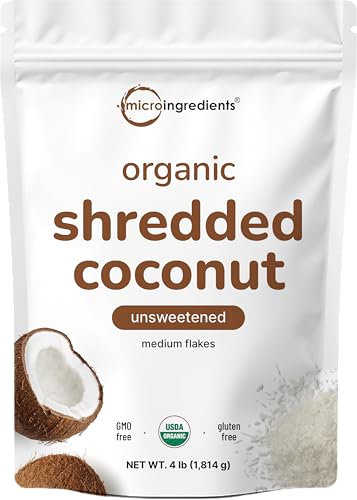
Micro Ingredients offers Organic Shredded Coconut Flakes in a 4-pound bulk supply. Medium-sized, freshly harvested flakes with a raw, unsweetened flavor ideal for various recipes.

Terrasoul Superfoods Shredded Coconut Flakes, 16-ounce Pouch

QUALITY YOU CAN SEE AND TASTE: Bob’s Red Mill Coconut Flakes are perfect for snacking or baking; due to their size, these flakes make a stunning garnish for cakes, pies and other baked goods; or sprinkle them on oatmeal and yogurt for a delightful crunch
High Fat Content
Coconut flakes contain significant fat, especially saturated fat. Although healthy fats provide energy, excessive fat intake may lead to obesity in birds. You should offer coconut flakes in moderation, especially for less active species. For example, adding a small sprinkle of coconut flakes occasionally to your bird’s food can offer variety without the risk of unwanted weight gain. Aim for a balance, incorporating other lower-fat foods into their diet.
Allergic Reactions
Some birds may exhibit allergic reactions to coconut flakes. Signs include lethargy, digestive upset, or changes in behavior. Introduce coconut flakes slowly and in small amounts to monitor for any adverse effects. If your bird shows symptoms of an allergy, remove the coconut flakes from their diet immediately and consult a veterinarian for guidance. Being observant helps ensure a safe and enjoyable snack time for your feathered friend.
Recommended Serving Sizes
When offering coconut flakes to your birds, moderation is essential. Oversized portions can lead to weight gain, particularly in less active species. Here are guidelines for recommended serving sizes based on bird species:
- Parrots: Aim for about 1 to 2 teaspoons a few times a week. These active birds benefit from the healthy fats in coconut.
- Cockatiels: Stick to 1 teaspoon once or twice a week. Coconut flakes can provide energy without excessive fat.
- Canaries and Finches: Limit servings to a pinch or roughly 1/4 teaspoon once a week. These smaller birds may prefer a less fatty diet.
- Budgerigars (Buddies): Offer around 1/2 teaspoon once a week. They enjoy variety, so mix coconut with grains or seeds.
- Lovebirds: Provide coconut flakes 1 teaspoon per week mixed with fruits. This adds nutritional diversity.
Monitor your birds’ reactions to coconut flakes. If your bird seems disinterested or shows signs of digestive upset, reduce the serving size or frequency. Adjust portions based on your bird’s size and activity level. Keeping servings small ensures coconut flakes remain a fun and healthy treat.
Conclusion
Coconut flakes can be a tasty and nutritious treat for your birds when offered in moderation. They provide healthy fats and fiber that support energy levels and digestion. Just remember to choose unsweetened flakes and introduce them slowly to avoid any potential reactions.
Keep an eye on your feathered friends as you incorporate this new snack into their diet. Each bird has its own preferences and tolerances so adjusting serving sizes based on their activity level is key. With a little care and attention, coconut flakes can add variety and enjoyment to your bird’s meals, making snack time a fun experience for both you and your avian companions.
Frequently Asked Questions
Can birds eat coconut flakes?
Yes, many birds can safely eat coconut flakes. Unsweetened, additive-free coconut flakes provide healthy fats and nutrients that enhance a bird’s diet, making them a delightful treat for species like parrots and cockatiels.
How do I safely introduce coconut flakes to my bird’s diet?
Introduce coconut flakes slowly in small amounts. Begin with a pinch and observe your bird for any adverse reactions, such as lethargy or digestive issues. Adjust the serving size based on their size and activity level.
What are the benefits of coconut flakes for birds?
Coconut flakes offer healthy saturated fats for energy and dietary fiber for digestion. They can boost a bird’s nutritional intake and enhance variety when mixed with other high-fiber foods like fruits and vegetables.
Are there any risks associated with feeding coconut flakes to birds?
Yes, excessive coconut flakes can lead to obesity due to their high fat content. Additionally, some birds may be allergic to coconut. Always monitor your bird’s health and consult a vet if you notice any issues.
How much coconut flakes can I feed my bird?
Serving sizes vary by species. Parrots: 1-2 teaspoons a few times a week. Cockatiels: 1 teaspoon once or twice a week. Canaries/finches: 1/4 teaspoon once a week. Budgerigars: 1/2 teaspoon weekly, and lovebirds: 1 teaspoon per week mixed with fruits.
