


Have you ever noticed your bird feeder emptying faster than usual? You might be wondering if mice are sneaking in for a snack. It’s a common issue for bird lovers. While you want to attract feathered friends, pesky rodents can quickly turn your backyard into a buffet.
Key Takeaways
- Mice Are Opportunistic Feeders: Mice are attracted to easy food sources, including bird seeds such as millet and sunflower seeds, making bird feeders potential targets for rodents.
- Understanding Mouse Behavior: Factors like food availability and feeder accessibility influence mice consumption of bird seeds. Open feeders and spillover from birdseed can lead to increased mouse activity.
- Selecting the Right Bird Seed: Choosing bird seed types, like safflower or nyjer seeds, can help reduce mouse attraction while still appealing to desirable bird species.
- Feeder Placement and Design: Elevating feeders and using squirrel-proof designs can deter mice from accessing bird seeds, thereby protecting your feeder and attracting more birds.
- Preventive Measures: Implementing practices such as using seed trays, cleaning up fallen seeds, and utilizing natural deterrents like peppermint oil and cayenne pepper can help keep mice at bay.
- Regular Monitoring is Key: Keeping an eye on feeders allows for early detection of mouse activity, enabling timely interventions to safeguard bird food and encourage feathered visitors.
Recommended Products

WEIGHT-ACTIVATED SQUIRREL PROOF BIRD FEEDER : When a squirrel climbs on the feeder, its weight tiggers the closure of feeding ports, ensuring only birds can access the seeds.

HANGING BIRD FEEDER: This bird feeder is great for your yard
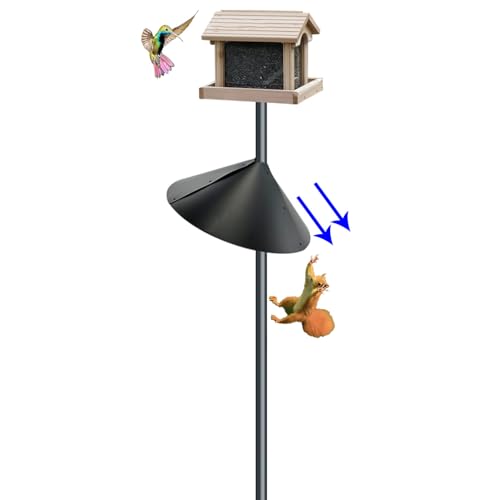
16.5-Inch Extra-Wide Design: Blocks squirrels, raccoons, and other rodents from climbing or jumping onto bird feeders. The broad, angled surface prevents animals from bypassing the baffle, reducing seed waste and keeping birds undisturbed.
Understanding Mice Behavior
Mice are opportunistic feeders, often drawn to easy sources of food. Understanding their behavior can help you manage the situation and protect your bird feeders.
Recommended Products


Safflower seed is bitter-tasting to squirrels, but birds love it

Only Top Ingredients: Premium mix of safflower, sunflower hearts & peanuts birds actually eat
Common Foods for Mice
Mice consume a variety of foods, including:
- Grains: Mice favor grains found in bird seed mixes, such as millet and sunflower seeds.
- Fruits: Fresh or dried fruits attract mice, offering both moisture and sugar.
- Vegetables: They enjoy nibbling on garden vegetables, especially soft ones like cucumbers and tomatoes.
- Nuts: Nuts provide high-energy sources which mice readily seek.
These food preferences explain why bird feeders filled with seed may entice mice into your yard.
How Mice Perceive Bird Seed
Mice perceive bird seed as a valuable food source, primarily due to its scent and appearance. When bird seed is plentiful:
- Scent: Mice have a keen sense of smell, easily detecting seed odors from a distance.
- Visual Cues: Brightly colored seeds, like sunflower, draw them closer.
- Accessibility: Ground spills or improperly secured feeders increase their access to food.
Recognizing these factors helps you take preventive measures to keep mice away.
Bird Seed Types
Bird seed types significantly influence which birds visit your feeder and can also attract unwanted mice. Understanding these seeds helps balance the needs of the birds while minimizing rodent interference.
Preferred Seeds for Birds
Many seeds appeal to various bird species. Common favorites include:
- Sunflower Seeds: High in fat and protein, sunflower seeds attract cardinals, chickadees, and finches.
- Safflower Seeds: These seeds are great for attracting cardinals and other larger birds, while often repelling squirrels and mice due to their bitter taste.
- Nyjer Seeds: Tiny and high in oil, nyjer seeds draw in finches and other small birds, but can be less attractive to rodents.
- Millet: Preferred by ground-feeding birds like sparrows and juncos. It’s inexpensive and a staple in many birdseed blends.
- Peanuts: High in energy, peanuts attract jays and woodpeckers. Whole or shelled, they can pose a bigger attraction for mice too.
Selecting specific seed types helps lure desirable birds while potentially reducing the chance of mice stealing from feeders.
Nutritional Value of Bird Seed
Understanding the nutritional value of bird seed is key to supporting avian health and minimizing rodent attraction. Each seed type offers different benefits:
- Calories: High-calorie seeds, like sunflower and peanuts, supply energy for birds, particularly during colder months.
- Fat Content: Seeds rich in fat provide essential energy, but they also attract mice seeking calories.
- Protein: Seed blends with protein sources support bird growth, feather development, and overall health.
- Vitamins and Minerals: Many seeds contain crucial nutrients like vitamin E and calcium. These promote immune function in birds but can also appeal to opportunistic feeders, including mice.
Opting for seed mixes containing ingredients with lower nutritional value from a rodent perspective, like millet, can deter mice while still providing nourishment for birds.
Will Mice Eat Bird Seed?
Mice readily eat bird seed, making your backyard bird feeders a potential target for these rodents. Understanding why mice find bird seed attractive is essential for preventing unwanted visitors.
Recommended Products
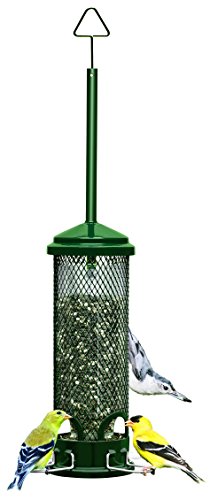
Mini but Mighty at keeping squirrels at bay.

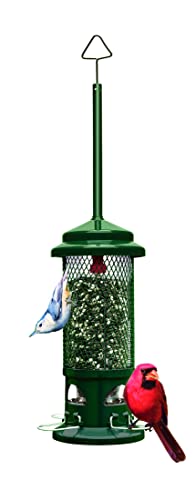
TRULY SQUIRREL-PROOF: Openings in the shroud align with the feeding ports, providing birds access to the food. When a squirrel climbs onto the feeder, its weight automatically forces the shroud down, closing access to the ports. Squirrels and some large birds are foiled but not harmed in any way.
Attractiveness of Bird Seed to Mice
Bird seed often contains grains and nuts that are highly appealing to mice. Commonly favored seeds, like sunflower seeds and peanuts, offer high caloric value, which attracts mice looking for easy nourishment. Additionally, the scent of bird seed can draw them in from a distance. Mice, being opportunistic feeders, take advantage of accessible food sources, so an open bird feeder may seem like an irresistible buffet.
Factors Influencing Mice Consumption
Several factors influence a mouse’s decision to consume bird seed.
- Availability of Food: If natural food sources are scarce, mice turn to bird feeders for sustenance.
- Type of Seed: High-fat seeds tend to attract mice more than others, as they provide better energy reserves. For example, sunflower seeds are more enticing than lower-fat seeds like millet.
- Feeder Design: Open feeders allow easy access to seed, heightening the appeal for mice. In contrast, enclosed feeders can deter rodent entry.
- Environmental Conditions: Areas with shelter, like dense vegetation, increase the likelihood of mouse visits since they provide protection while feeding.
By recognizing these factors, you can take steps to protect your bird feeders and encourage bird visits without interference from mice.
Preventing Mice from Eating Bird Seed
Keeping mice away from bird seed requires a mix of strategic feeder placement and specific materials. Implementing the right practices helps protect your bird food and supports your backyard birds.
Best Practices for Bird Feeders
- Choose the Right Feeder: Opt for feeders designed with squirrel-proof features. These often include weight-sensitive mechanisms that close off access when heavy animals, like mice, land on them.
- Elevate Feeders: Position your feeders at least 5-6 feet off the ground. This height makes it harder for mice to reach, while still being accessible to birds.
- Use Seed Tray Attachments: Install seed trays underneath feeders to catch fallen seeds. Regularly clean and empty these trays to reduce leftover food that attracts mice.
- Limit Spillover: Fill feeders only halfway to minimize overflows. This practice reduces the chance of seeds scattering on the ground, where mice can easily access them.
- Maintain Surroundings: Keep the area around feeders clean. Remove debris, fallen fruit, or plant materials that may provide additional food sources for mice.
- Peppermint Oil: Mice dislike the scent of peppermint. Soak cotton balls in peppermint oil and place them around the feeder area to deter them.
- Cayenne Pepper: Sprinkle cayenne pepper around the base of feeders. Most birds won’t mind the spice, but mice typically avoid it.
- Plant Herbs: Grow aromatic herbs like lavender or rosemary around feeders. Their strong scents might act as natural deterrents for mice.
- Companion Planting: Consider planting specific flowers or plants that mice naturally avoid in your garden. This action can help keep them away.
- Regular Monitoring: Keep an eye on your bird feeders. Regular checks can help you spot any mouse activity early on and enable timely interventions.
These strategies boost your chances of attracting birds while keeping pesky mice at bay.
Conclusion
Keeping your bird feeders filled with seed can be a delightful experience but dealing with mice can put a damper on your birdwatching. By understanding what attracts these little critters and taking some simple preventive measures you can enjoy a bird-friendly backyard without the unwanted rodent guests.
Choosing the right seeds and using effective feeder designs can make a big difference. With a little effort you can create an inviting space for birds while discouraging mice from munching on their meals. So go ahead and set up your feeders with confidence knowing you’ve got the tools to keep those pesky mice at bay. Happy birdwatching!
Frequently Asked Questions
Why do my bird feeders get emptied so quickly?
Bird feeders may empty quickly due to various factors, such as the presence of mice and other animals seeking easy food sources. Birds tend to consume seeds at a rapid rate, but if you notice excessive depletion, it may indicate that rodents, like mice, are also stealing food. Monitoring your feeders regularly can help identify this issue.
How can I tell if mice are stealing birdseed?
Signs that mice might be stealing birdseed include decreased seed levels, scattered seeds around the feeder, and rodent droppings near the area. You may also notice signs of nesting or chewed materials nearby. Observing these signs can help determine if mice are the culprits.
What types of bird seeds attract mice?
Mice are attracted to bird seeds that contain grains, nuts, and high-calorie content. Commonly used seeds like sunflower seeds, millet, and peanuts are particularly enticing for mice. Opting for seed mixes with lower nutritional value can help deter them while still appealing to birds.
How can I prevent mice from accessing my bird feeders?
To prevent mice from accessing bird feeders, consider using squirrel-proof feeders, elevating them to 5-6 feet off the ground, and using seed trays to catch fallen seeds. Maintain a clean area around feeders and monitor for any signs of mouse activity regularly.
Are there natural deterrents for keeping mice away from bird feeders?
Yes, natural deterrents like peppermint oil, cayenne pepper, and aromatic herbs can discourage mice from visiting bird feeders. Applying these substances around your feeder area can help keep unwanted rodents at bay while still attracting birds to your feeders.
What bird seeds are recommended to attract specific birds while minimizing mice?
To attract specific birds while minimizing mice, choose seeds like safflower and nyjer, which are favored by certain bird species but less appealing to rodents. Mixing these with lower-calorie seeds like millet can effectively reduce rodent interest while still luring desirable birds.
How often should I check my bird feeders for signs of mouse activity?
It’s advisable to check your bird feeders at least once a week for signs of mouse activity. Regular monitoring helps you spot any issues early and allows you to take necessary actions to deter mice and maintain a bird-friendly environment.
