


Have you ever watched birds at your feeder and wondered what they really enjoy munching on? You’re not alone. Many backyard birdwatchers often question whether nuts are on the menu for these feathered friends.
Key Takeaways
- Bird Species That Eat Nuts: Many birds, including woodpeckers, jays, and finches, actively forage for various nuts, making them an excellent addition to backyard feeders.
- Nut Types and Preferences: Popular nuts for birds include peanuts, walnuts, almonds, pecans, and hazelnuts, each attracting different species based on their preferences.
- Feeding Guidelines: Offer unsalted and raw nuts, introduce them gradually, and monitor for any allergic reactions to ensure the health and safety of the birds.
- Best Practices for Feeders: Use appropriate feeders, such as platform or nut cracker feeders, to provide easy access to nuts while keeping the feeding area clean and free from mold.
- Nutritional Benefits: Nuts are rich in protein, healthy fats, and essential vitamins, contributing to the overall health and energy levels of birds, especially during colder months.
- Squirrels vs. Birds: Squirrels often compete with birds for nuts; using squirrel-proof feeders or strategic placement can help ensure that more nuts are accessible to birds.
Recommended Products

HEALTHY: High protein, heart healthy snack or ingredient for your favorite dish

Perfect squirrel food for outdoor feeding: Attract energetic squirrels with raw, shelled peanuts they’ll love to snack on. A natural, protein-rich treat ideal for daily feeding.

Raw & Unsalted – 100% natural peanuts with no added salt, perfect for healthy snacking.
Do Birds Eat Nuts?
Yes, many birds eat nuts. Birds such as woodpeckers, jays, and finches actively forage for nuts in various environments. Nuts provide essential nutrients, including protein and healthy fats, which contribute to a balanced diet.
Recommended Products

IDEAL FOR WILD BIRDS such as Cardinals, Nuthatches, Woodpeckers, Towhees, Indigo Buntings, Jays and more

Wooden Peanut Bird Feeder Featuring a walnut-tone finish and visible natural wood grain, this wooden peanut bird feeder brings a warm, rustic look to gardens, patios, yards, and backyard feeding areas.

【Less Mess On the Ground】Using the Seed Catcher helps keep dropped feed off the ground and the birds eat more food without wasting it.It saves effort and time, because you don't need to spend mord time to weed under the feeder also help you saved 1/3 of the seed the birds were wasting.it is a real seed & money saver.
Common Types of Nuts Eaten by Birds
- Peanuts: Many birds enjoy peanuts, particularly blue jays and woodpeckers. You can offer raw, unsalted peanuts in feeders.
- Walnuts: Chickadees and nuthatches favor walnuts. Broken pieces make it easier for smaller birds to access.
- Almonds: Squirrels often steal almonds, but some birds, like the European starling, also enjoy them.
- Pecans: Pecans attract woodpeckers and cardinals. They can be offered in pieces or whole.
- Hazelnuts: Hazelnuts are a favorite for certain finches. Ensure they’re shelled or chopped for easy consumption.
How to Feed Nuts to Birds
- Use Feeders: Select feeders designed for nuts. Some feeders have metal grates that allow birds to peck at the nuts without spilling them everywhere.
- Create a Nut Mix: Combine various nuts for a diverse offering. This attracts different bird species.
- Choose Quality: Opt for unsalted, unflavored nuts. Processed nuts might contain ingredients harmful to birds.
The Benefits of Nuts in Bird Diets
Nuts supply energy for active birds, especially during colder months. The high-fat content helps birds maintain body heat. Additionally, the protein supports growth and feather development.
- Introduce Slowly: Introduce nuts gradually with other foods. This encourages birds to adjust their diets.
- Monitor for Allergies: Although rare, some birds may exhibit sensitivities. Observe any changes in behavior or health.
- Clean Feeders Regularly: Keep feeding areas clean to prevent mold growth and insect infestations.
Offering nuts can attract a variety of birds to your backyard. By providing a diverse nut selection and following best practices, you’ll create an inviting environment for your feathered friends.
Types of Nuts Birds Enjoy
Birds enjoy a range of nuts, which offer essential nutrients for their diets. Here are some types that attract various bird species.
Common Nut Varieties
- Peanuts: Raw or unsalted peanuts bring many birds, like blue jays and woodpeckers. You can find them in feeders or scattered on the ground.
- Walnuts: Cracked walnuts are great for larger birds, including crows and jays. They appreciate the rich flavor.
- Almonds: Sliced or chopped almonds appeal to smaller birds, like chickadees and finches. Their high protein content supports bird health.
- Pecans: Pecans offer a sweet taste enjoyed by many backyard species, particularly during winter months.
- Hazelnuts: Whole hazelnuts attract woodpeckers and nuthatches, providing a well-rounded energy source.
Nutritional Benefits of Nuts
Nuts supply vital nutrients that enhance birds’ energy levels and overall health.
- Protein: Essential for muscle development and feather growth. Nuts like almonds and walnuts contain high protein levels.
- Healthy Fats: Fats found in nuts support energy storage, especially important during migrations and cold weather.
- Vitamins and Minerals: Nuts provide vitamins E, B, and essential minerals like magnesium for robust immune systems.
When you offer a variety of nuts, you promote vibrant health in your feathered friends.
How to Feed Birds Nuts
Feeding birds nuts can attract a variety of species to your backyard. Here’s how to do it effectively.
Recommended Products

What You Will Receive: one natural wood log feeder, attracts clinging birds such as woodpeckers, chickadees, nuthatches, titmice, and creepers; Enjoy a variety of wild birds by using multiple suet flavors with one feeder
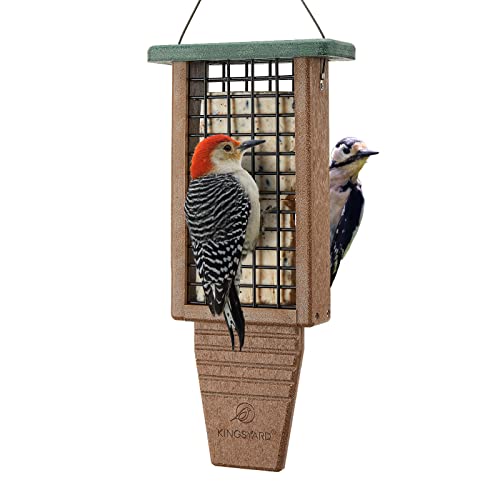
TAIL PROP DESIGN: This suet feeder features a tail prop area with a place for woodpeckers to rest their tail for balance, while they’re feeding. The two-sided wire mesh encourages birds to feed from both sides

Wood Frame & Metal Mesh: Built from cedar wood frame and rustproof black metal mesh. Solid cedar wood construction offers a natural look that blends into garden spaces. For better results, place it in a semi-sheltered location and avoid long-term heavy rain. Regular care helps prevent cracking and extends its service life
Best Practices for Offering Nuts
- Choose Unsalted or Raw: Always opt for unsalted and raw nuts. Salt can harm birds, so choose natural options.
- Introduce Gradually: Start with small amounts to see which nuts your birds prefer. Gradual introduction helps prevent potential allergic reactions.
- Monitor for Allergies: Watch for any unusual behavior after introducing nuts. Symptoms like excessive scratching or avoidance may indicate intolerance.
- Rotate Nut Varieties: Offer a mix of nuts to cater to different bird species. Rotate between peanuts, walnuts, almonds, and pecans for the best results.
- Keep Feeders Clean: Regularly clean your bird feeders. This prevents mold growth and keeps the feeding area safe and inviting.
- Platform Feeders: Use flat feeders that allow birds to easily access various nut types. These feeders accommodate larger birds well.
- Suet Feeders: Some suet feeders come with mesh to hold nuts. This attracts woodpeckers and nuthatches effectively.
- Nut Cracker Feeders: Install feeders specifically designed for nuts. These encourage birds to crack open shells and enjoy fresh nuts.
- Scatter on Ground: Scatter nuts on the ground for ground-feeding birds like jays and crows. Ensure it’s a safe spot, away from predators.
- Hanging Feeders: Hang feeders with a mix of nuts to entice smaller birds like chickadees and finches. Use multiple feeders to reduce competition.
By following these guidelines, you create an inviting space for birds to enjoy nuts while ensuring their safety and health.
Birds That Prefer Nuts
Many birds enjoy nuts as a nutritious food source. Nuts provide energy, healthy fats, and essential nutrients. Here, you’ll find details about the interactions between birds and squirrels, along with the specific bird species that prefer nuts.
Squirrels vs. Birds
Squirrels often compete with birds for nuts. Both animals find nuts appealing, but their feeding habits differ. Squirrels tend to hoard nuts for later consumption, while birds eat them quickly. Providing feeders can help attract birds while deterring squirrels. Using squirrel-proof feeders or placing feeders in locations less accessible to squirrels can ensure that more nuts reach your feathered friends.
Nut-Eating Bird Species
Several bird species thrive on nuts, each with their favorites:
- Blue Jays: These birds relish raw or unsalted peanuts. They’ll often stash away extra nuts for future meals.
- Woodpeckers: Favorites include whole peanuts and sunflower seeds. They enjoy the energy boost from high-fat nuts.
- Chickadees: Sliced or chopped almonds appeal to them, providing easy-to-eat snacks.
- Finches: Like chickadees, finches enjoy sliced almonds, along with sunflower seeds and other small nuts.
- Crows: Larger species like crows prefer cracked walnuts. Their strong beaks make cracking these nuts a breeze.
- Nuthatches: These birds appreciate whole hazelnuts for their energy content during winter months.
As you cater to these species, consider rotating the types of nuts offered. This variety keeps the feeding experience lively and meets the dietary preferences of different birds.
Conclusion
Offering nuts to birds can be a rewarding experience for any birdwatcher. By providing a variety of nuts you’ll attract different species and support their health with essential nutrients. Remember to keep your feeders clean and introduce nuts gradually to ensure your feathered friends enjoy their meals safely.
Watching birds enjoy their favorite snacks can bring joy to your backyard. So get those feeders ready and enjoy the vibrant life that comes with attracting birds through their love of nuts. Happy birdwatching!
Frequently Asked Questions
Can backyard birds eat nuts?
Yes, many backyard birds enjoy nuts as part of their diet. Popular species include woodpeckers, jays, and finches, which benefit from the protein and healthy fats found in nuts.
What types of nuts are safe for birds?
Safe nuts for birds include unsalted or raw peanuts, walnuts, almonds, pecans, and hazelnuts. These nuts provide essential nutrients that support their overall health.
How should I introduce nuts to birds?
Introduce nuts gradually into their diet. Start with small amounts and monitor for any allergic reactions, adjusting as needed to ensure a positive feeding experience.
How do I prevent squirrels from eating bird nuts?
To deter squirrels, use squirrel-proof feeders or place feeders in hard-to-reach locations. This allows birds to access the nuts while limiting squirrel competition.
What are the best feeders for nuts?
Different types of feeders work well for various birds. Platform feeders suit larger birds, while hanging feeders and suet feeders cater to smaller species like chickadees and finches.
Why are nuts beneficial for birds in winter?
Nuts are high in calories, protein, and healthy fats, making them an excellent food source for birds during colder months when energy is crucial for maintaining body heat.
