


Have you ever wondered if those tasty pine nuts you love are safe for your feathered friends? Many bird owners often find themselves questioning what foods are suitable for their pets. With so many options out there, it’s easy to feel overwhelmed.
This article will help you navigate the world of bird nutrition, specifically focusing on pine nuts. You’ll learn whether these nuts can be a healthy treat for your birds and how to incorporate them into their diet safely. By the end, you’ll feel confident in providing the best for your avian companions.
Key Takeaways
- Pine Nuts Are Safe: Birds can eat pine nuts, which provide essential nutrients like protein, healthy fats, vitamins, and minerals when fed in moderation.
- Types of Birds That Enjoy Them: Parrots, canaries, and finches commonly like pine nuts, benefiting from their taste and nutritional profile.
- Moderation Is Key: Limit pine nut servings to one or two nuts several times a week to prevent obesity and maintain a balanced diet.
- Monitor for Allergies: Watch for signs of allergies or digestive issues after introducing pine nuts; discontinue if any adverse effects occur.
- Choose Quality Nuts: Always select unsalted and unseasoned pine nuts, and consider organic options to ensure safety and freshness.
- Preparation Matters: Prepare pine nuts by washing and air-drying, and chop larger pieces to prevent choking hazards for smaller birds.
Recommended Products

Unsalted pine nuts

100% NATURAL WHOLE PINE NUTS: Nature’s Eats Pine Nuts are carefully sourced and gently prepared to maintain their smooth texture and buttery flavor. These whole nuts are ready to enjoy straight from the pouch or as an ingredient in your favorite recipes. No shells, no preservatives, only pure freshness.

One 4 ounce bag of Pine Nuts
Can Birds Eat Pine Nuts?
Yes, birds can eat pine nuts. These nuts offer several health benefits, making them a great addition to a bird’s diet when given in moderation. Pine nuts are rich in protein, healthy fats, vitamins, and minerals. They provide essential nutrients such as magnesium and vitamin E, which contribute to overall health.
Recommended Products

Organic, grown in Russia

Pine nuts are known to significantly reduce the risk of heart disease
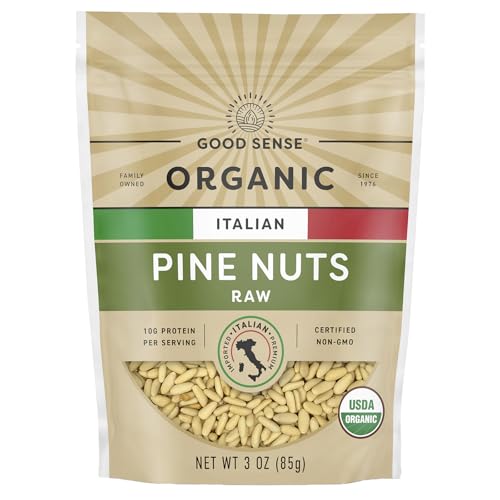
Great For: Salads, Pizza, Baked Goods and Pesto's
Types of Birds That Enjoy Pine Nuts
- Parrots: Many parrots adore pine nuts. Their high energy levels benefit from the healthy fats in these nuts.
- Canaries: Canaries can also enjoy pine nuts as a treat. They often relish the taste and texture.
- Finches: Finches appreciate the small size of pine nuts, making them easy to eat.
Serving Pine Nuts to Your Birds
- Portion Control: Offer small amounts to prevent overfeeding. One to two nuts several times a week is sufficient.
- Unsalted and Unseasoned: Always choose unsalted and unseasoned pine nuts. Salt and spices can harm birds.
- Monitor Reactions: Watch for any signs of allergies or digestive issues. If your bird shows discomfort, discontinue feeding pine nuts.
Nutritional Benefits of Pine Nuts
| Nutrients | Amount per 100g |
|---|---|
| Protein | 13.7 g |
| Fat | 68.4 g |
| Carbohydrates | 13.1 g |
| Magnesium | 251 mg |
| Vitamin E | 9.33 mg |
Potential Risks
While pine nuts are safe, consider the following:
- Fat Content: Pine nuts are high in fats. Too much can lead to obesity. Limit intake for balanced nutrition.
- Choking Hazard: Small birds might struggle with large pieces. Always chop larger nuts for easier consumption.
Pine nuts can safely enhance your bird’s diet. Introduce them gradually and ensure they complement a balanced feeding regimen.
Nutritional Benefits of Pine Nuts
Pine nuts offer significant nutritional value for birds, contributing to a balanced diet. Their rich content of essential nutrients makes them a healthy snack option.
Vitamins and Minerals
Pine nuts contain vital vitamins such as Vitamin E, which supports immune function, and B vitamins, which help in energy metabolism. They also offer minerals like magnesium and zinc. Magnesium aids in muscle and nerve function, while zinc promotes a healthy immune system. These nutrients can enhance your bird’s overall well-being and vitality.
Healthy Fats
Pine nuts are high in healthy monounsaturated fats, providing a source of energy for active birds. These fats can support feather health and maintain skin integrity. They also deliver essential fatty acids, which contribute to optimal brain function and cell structure. Moderation is key; a few nuts several times a week is ideal to balance their benefits with potential risks.
Potential Risks for Birds
While pine nuts offer several benefits, potential risks exist that every bird owner should recognize. Awareness of these risks helps ensure your bird stays healthy and happy.
Recommended Products

Raw Pine Nuts: Known for their rich yet light and buttery flavor, pine nuts are ideal for incorporating into your favorite recipes, like pesto and pine nut hummus, or sampling straight from the bag; Enjoy about 2 servings per bag

TRUE WILD EXPERIENCE FROM PRISTINE ECOSYSTEMS: Our organic pine nuts are sourced from one of the world's most well-preserved ecosystems, offering a unique resinous wild taiga flavor. Certified USDA Organic, European Organic, Vegan, Raw, Non-GMO, and Gluten-Free, they represent the epitome of natural purity

PREMIUM QUALITY PINE NUTS – Badia Pine Nuts offer a naturally buttery, mildly sweet flavor and tender texture—perfect for both sweet and savory dishes where quality ingredients matter
Allergies and Sensitivities
Birds can develop allergies or sensitivities to various foods, including pine nuts. Some signs of an allergic reaction include itching, feather plucking, or gastrointestinal issues like vomiting or diarrhea. Monitor your bird closely after introducing pine nuts into its diet. If any unusual behaviors occur, stop offering pine nuts and consult your avian veterinarian for advice.
Toxicity Concerns
Certain foods, while safe for humans, can be toxic to birds. Pine nuts pose minimal toxicity risk, but ensure they are fresh and free from any mold, as moldy foods can cause serious health issues. Also, avoid salted or seasoned varieties, as added ingredients might be harmful. If your bird shows signs of distress or illness after consuming pine nuts, seek veterinary care promptly.
How to Safely Feed Pine Nuts to Birds
Feeding pine nuts to birds can be a nutritious treat if done correctly. Follow these guidelines for safe preparation and portion control.
Preparing Pine Nuts
Select unsalted and unseasoned pine nuts. Organic varieties can be a good choice, as they contain fewer additives. Wash pine nuts under cool water to remove any dust or residues. Air-dry them completely before serving. Optionally, you can chop larger pieces for smaller birds to prevent choking hazards. Always store pine nuts in a cool, dry place to maintain freshness and avoid mold.
Portion Control
Limit the amount of pine nuts to one to two nuts several times a week. Overfeeding can lead to obesity due to the high-fat content in pine nuts. Monitor your bird’s weight and overall health after introducing pine nuts into their diet. If you notice any changes, adjust the portion accordingly. Remember to observe your bird for any signs of allergies or digestive issues, particularly when adding new foods.
Conclusion
Pine nuts can be a delightful addition to your bird’s diet when offered in moderation. They bring a host of nutritional benefits that can support your feathered friend’s health and happiness. Just remember to keep an eye on portion sizes and choose unsalted, unseasoned nuts to ensure your bird’s well-being.
By being mindful of how you introduce pine nuts and watching for any reactions, you can safely treat your pet to this tasty snack. With the right approach, you’ll enhance their diet and enjoy watching them relish the flavors of nature. Happy feeding!
Frequently Asked Questions
Can birds eat pine nuts?
Yes, birds can eat pine nuts. They are a safe and nutritious treat when given in moderation. Many birds, including parrots, canaries, and finches, enjoy them due to their appealing taste and health benefits.
What are the health benefits of pine nuts for birds?
Pine nuts are rich in protein, healthy fats, vitamins, and minerals. They provide essential nutrients like Vitamin E and B vitamins, which support immune function and energy metabolism, contributing to overall health in birds.
How should I introduce pine nuts into my bird’s diet?
Start by offering one to two unsalted and unseasoned pine nuts several times a week. Monitor your bird’s reaction and health closely to ensure they adapt well to this new treat.
What are the risks of feeding pine nuts to birds?
Potential risks include allergies, obesity due to high-fat content, and choking hazards if nuts are too large. Always observe your bird for any unusual behaviors or reactions after introducing pine nuts.
How can I safely prepare pine nuts for my bird?
Choose organic, unsalted, and unseasoned pine nuts. Wash them to remove residues, air-dry them, and consider chopping larger pieces to prevent choking hazards for smaller birds.
How often can I give my bird pine nuts?
Limit pine nuts to one to two pieces several times a week to prevent overfeeding. Proper portion control is important to maintain a balanced and healthy diet for your bird.
