


Key Takeaways
- Bird Nests Are Vital: Nests serve essential functions for birds, providing safe spaces for laying eggs and raising young. Understanding the types of nests helps appreciate their role in avian life.
- Legal Protections: Many bird species are protected under the Migratory Bird Treaty Act, prohibiting the disturbance or relocation of active nests. Always check local wildlife regulations before acting.
- Impact Of Relocation: Moving a nest can lead to abandonment by the parent birds and significantly decrease the survival rates of chicks. It disrupts their natural nesting behaviors and chosen locations.
- Responsible Actions: If you find a nest, observe it from a distance. If it’s in a problematic location, contact wildlife services for advice instead of attempting to move it yourself.
- Recognizing Active Nests: Look for signs of activity such as frequent visits from adult birds, nesting materials, or noise from chicks to identify whether a nest is active and should be left undisturbed.
- Ethical Considerations: Disturbing bird nests raises ethical issues regarding animal welfare and biodiversity. Prioritizing the protection of these creatures and their habitats is crucial for maintaining ecological balance.
Have you ever found a bird’s nest in your yard and wondered if it’s okay to move it? You’re not alone. Many people face this dilemma when trying to tidy up their outdoor spaces or make repairs. The truth is, moving a bird’s nest can have serious consequences for the birds and their future.
In this article, you’ll learn what happens when you relocate a nest and why it’s often best to leave it where it is. Understanding the impact of your actions can help you make informed decisions that protect these feathered friends. By the end, you’ll feel more confident about how to handle any nest you encounter.
Recommended Products

[EFFECTIVE AND HUMANE BIRD SPIKE] Stainless steel bird spikes are effective and humane that not only deter birds and other animals from landing and perching, but not cause serious damage to them. They act as a visual and physical deterrent which don’t allow animals to have access to a certain covered area. The pins on the bird deterrent spikes make it uncomfortable for birds to land.These menacing looking bird barrier spikes also prevent burglars and other intruders from climbing on your fences

Premium Weather-Resistant Material: Crafted from ultimate high-grade natural cedar wood, this bird house offers superior resistance to sunlight, wind, and rain. Meticulously made, the wooden structure is exceptionally sturdy, ensuring long-lasting durability in outdoor environments

Understanding Bird Nests
Bird nests serve critical purposes in the life cycle of birds. They act as safe spaces for laying eggs and raising young. Most nests consist of various materials, including twigs, grass, feathers, and mud. Different bird species create unique nests, such as the cup-shaped nests of robins or the dome-shaped structures of some sparrows.
Recommended Products

1-1/2" ENTRANCE HOLE SIZE: SISTERBIRD bluebird houses for outside have a properly-sized entrance hole, through this blue bird houses for outside you can attract desirable species to your bluebird house, such as Bluebird, Wren, Tree Swallow, Chickadees, etc. While this blue bird house excluding predators and unwanted occupants, for example, European starlings

Weather-Resistant Durability: Our bird house is crafted from world-class wood, assembled with brass screws for maximum endurance. This wooden bird house provides a safe, long-lasting haven for semi-cavity breeders in any weather.

Eastern Red Cedar - Nature’s renewable resource
Types of Bird Nests
- Cup Nests: These nests have a round shape, typical of species like finches. They are usually made of grasses and soft materials for insulation.
- Platform Nests: These flat nests sit atop branches or structures, commonly used by species like eagles and hawks. They often include larger sticks for stability.
- Burrow Nests: Some birds, like owls or puffins, dig burrows to protect their eggs in the ground or cliffs, providing a unique nesting environment.
- Cavity Nests: Birds like woodpeckers and owls utilize existing holes in trees, natural cavities, or man-made structures for nesting.
Location Matters
Nest location greatly impacts the survival rate of chicks. Birds choose spots that offer shelter from the elements and protection from predators. High branches, dense shrubs, and secluded areas typically serve as ideal nesting sites. If you find a nest, recognize the natural instincts guiding the birds in selecting their locations.
Seasonal Habits
Birds usually construct nests during spring for the breeding season. Each species follows specific timelines that align with their local environments. For example, migratory birds return to their nesting grounds in late winter or early spring, while some resident species may breed multiple times throughout the warmer months.
Legal Protections
In many regions, bird nests are protected by law. The Migratory Bird Treaty Act prohibits disturbing active nests of certain species. If you discover a nest in your yard, check local wildlife regulations before deciding to move or disturb it. Taking the time to understand these protections helps safeguard local wildlife.
Signs of an Active Nest
Identifying an active bird nest can be straightforward. Look for:
- Bird Activity: Frequent visits by adult birds indicate that a nest contains eggs or chicks.
- Nesting Materials: A collection of twigs, leaves, or feathers around a specific area can signal a nest’s presence.
- Noise: Chicks may be vocal, especially when parents approach with food.
Recognize these signs to avoid unnecessary disturbance.
Responsible Actions
If you encounter a bird nest, the best action involves leaving it undisturbed. If a nest poses a safety concern, consider:
- Contacting Wildlife Services: They can provide expert advice on handling the situation responsibly.
- Creating Barriers: Use protective measures that discourage access, without disturbing the nest.
Taking these steps ensures you care for the welfare of birds while addressing your concerns.
Reasons People Move Bird Nests
Many people choose to move bird nests for various reasons. Understanding these motivations can clarify the potential implications for the birds.
Safety Concerns
Safety concerns often prompt individuals to relocate bird nests. For instance, nests positioned too close to windows or high-traffic areas can lead to accidents. If you spot a nest at risk from potential predators or human disturbances, consider the impact of relocating it instead of direct interference. Birds may abandon their nests if disturbed, which compromises their survival chances.
Landscaping Projects
Landscaping projects frequently motivate nest relocation. During the preparation for yard enhancements or construction, people might discover nests in inconvenient spots. It’s crucial to recognize that these nests serve a vital purpose for the birds. If you engage in landscaping, evaluate the situation first. Implementing a delay on landscaping until after the nesting season can minimize disruptions.
Legal Considerations
Moving a bird’s nest involves various legal considerations. Many birds are protected by laws that prohibit disturbing or relocating their nests. Understanding these regulations helps you make informed decisions.
Protected Species
Numerous bird species in the U.S. are protected under the Migratory Bird Treaty Act. This act forbids the destruction or relocation of nests, eggs, and adult birds without permission. Species like eagles, hawks, and many songbirds fall under this protection. If you disturb their nests, you may face legal penalties, including fines. Always check local listings to know which birds are protected in your area.
Local Wildlife Laws
Local wildlife laws can vary significantly. Some regions enforce additional protections based on state or city regulations. For example, certain areas may have ordinances that specifically protect local nesting sites. Before considering any action regarding a nest, consult your local wildlife agency. They can provide guidance on what steps to take if a nest poses a safety risk or if you need assistance. Knowing the local laws ensures you avoid potential legal issues while still respecting wildlife.
Impact on Birds
Moving a bird’s nest disrupts important aspects of a bird’s life cycle. Each action can significantly affect their behavior and chances of survival.
Recommended Products
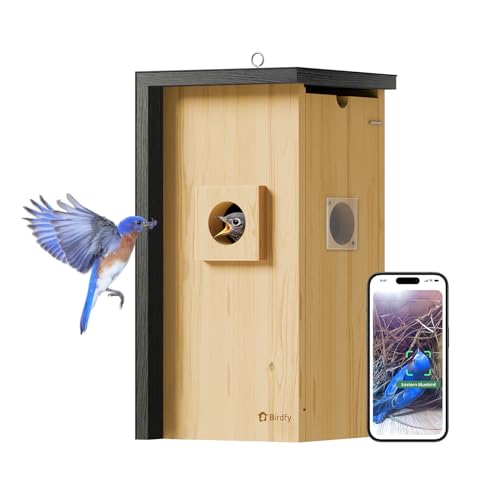
【Natural Wood & 1.5" Entrance Hole】The smart natural fir bird house with 1.5" entrance hole will easily attract desirable species to your Birdfy house, such as Bluebird, Wren, Tree Swallow, Chickadees, etc. While it can exclude predators and unwanted occupants, for example, European starlings.

Meet the smarter, sharper wired Google Nest Cam Indoor; with 2K HDR video and Gemini, it knows what to look out for and what to do next[1,2,3](Gemini features require a Google Home premium subscription; try it for 1 month at no cost to you)[4]

[Easy to install to most of bird box and bird houses] This bird box camera could work with most of bird boxes and bird houses. Upgrade your current bird box to a bird box support live video to phone. (This is 𝐍𝐨𝐭 𝐛𝐢𝐫𝐝 𝐛𝐨𝐱. It works as Bird House Accesssory. 𝐀𝐝𝐝 𝐭𝐡𝐢𝐬 𝐜𝐚𝐦𝐞𝐫𝐚 𝐭𝐨 𝐲𝐨𝐮𝐫 𝐫𝐞𝐠𝐮𝐥𝐚𝐫 𝐛𝐢𝐫𝐝 𝐛𝐨𝐱).
Nesting Behavior
Birds exhibit specific nesting behaviors linked to their environmental safety and comfort. They choose locations based on factors like shelter from predators, access to food, and proximity to water. Relocating a nest often forces birds to abandon these carefully chosen spots. Without their nest, birds may struggle to rebuild in unfamiliar areas, exposing them to risks from predators or harsh weather.
Survival Rates
The survival rate of chicks heavily relies on their location and the stability of the nest. Moving a nest can lead to high abandonment rates. In studies, it’s shown that nests relocated even short distances often yield low reproductive success. When nests are disturbed, parent birds may become confused or stressed, impacting their ability to nurture their young. Maintaining the original location helps ensure a safer environment, increasing the likelihood of survival for chicks and reducing their overall stress.
Ethical Considerations
Relocating a bird’s nest raises several ethical concerns. Moving a nest disrupts the natural nesting process and compromises the well-being of the birds. Birds often invest significant effort in selecting and building nests, considering factors such as safety and accessibility.
- Legal Protections: Many birds are protected under laws such as the Migratory Bird Treaty Act. Disturbing these nests can lead to legal repercussions, including fines or other penalties.
- Animal Welfare: Disturbing a nest can cause stress to the adult birds and lead to abandonment of the chicks. A study shows that nests moved even a short distance often result in low survival rates for the young birds.
- Impact on Survival: The location of a nest provides crucial shelter and food sources. Without these, chicks face increased risks from predators and harsh weather, significantly decreasing their chances of survival.
- Consult Local Authorities: If a nest poses a specific safety concern, contact local wildlife agencies for guidance. These experts can provide options that prioritize the birds’ welfare while addressing your safety concerns.
- Leave It Undisturbed: Whenever possible, leave the nest where it is. Observe the birds from a distance to appreciate their behavior without interfering.
By considering these ethical aspects, you contribute to the protection of birds and their habitats, promoting biodiversity in your area.
Conclusion
Moving a bird’s nest might seem like a harmless action but it can have serious consequences for the birds involved. By leaving the nest undisturbed you’re not only helping the birds thrive but also contributing to the health of your local ecosystem.
If you encounter a nest in a tricky spot remember that patience is key. Observing from a distance can provide you with a wonderful opportunity to appreciate nature without causing harm.
Whenever you’re unsure about what to do it’s always a good idea to reach out to local wildlife agencies. They can offer guidance tailored to your specific situation ensuring that both you and the birds stay safe and protected.
Frequently Asked Questions
Is it legal to move a bird’s nest?
Relocating a bird’s nest is often illegal due to various protections under laws like the Migratory Bird Treaty Act. Many bird species, including songbirds and raptors, are protected, and moving their nests can result in legal penalties. Always check local wildlife laws before taking any action.
Why shouldn’t I move a bird’s nest?
Moving a bird’s nest disrupts the birds’ life cycle and can lead to abandonment. Birds select nest locations for safety and access to food, and disturbing them can significantly impact their survival chances, leading to loss of life for chicks.
How can I tell if a nest is active?
Signs of an active nest include regular bird activity, visible nesting materials, and sounds coming from the chicks. Observing these indicators can help you determine the status of a nest before taking any action.
What should I do if a nest is near my window?
If a nest is near a busy area or your window, it’s best to avoid disturbing it. Try to observe the birds from a distance and delay any landscaping work until after the nesting season to prevent disrupting their natural behaviors.
How does moving a nest affect baby birds?
Relocating a nest can cause significant stress to adult birds and lead to abandonment of chicks. Studies indicate that even short-distance moves can lead to decreased reproductive success, ultimately harming the survival rates of the offspring.
What are the different types of bird nests?
Birds build various types of nests, including cup nests, platform nests, burrow nests, and cavity nests. Each type serves specific purposes and provides shelter and safety, crucial for the survival of both adult birds and their chicks.
Why do birds choose specific nesting locations?
Birds select nesting locations based on factors like shelter, protection from predators, and food accessibility. Their choices significantly affect the survival rate of their chicks, which is why relocating nests is detrimental to their lifecycle.
Who can I contact for help with a bird’s nest?
For guidance on handling a bird’s nest, consult your local wildlife agency or authorities. They can provide legal advice and recommendations on what to do if a nest poses safety risks or interrupts your activities.
